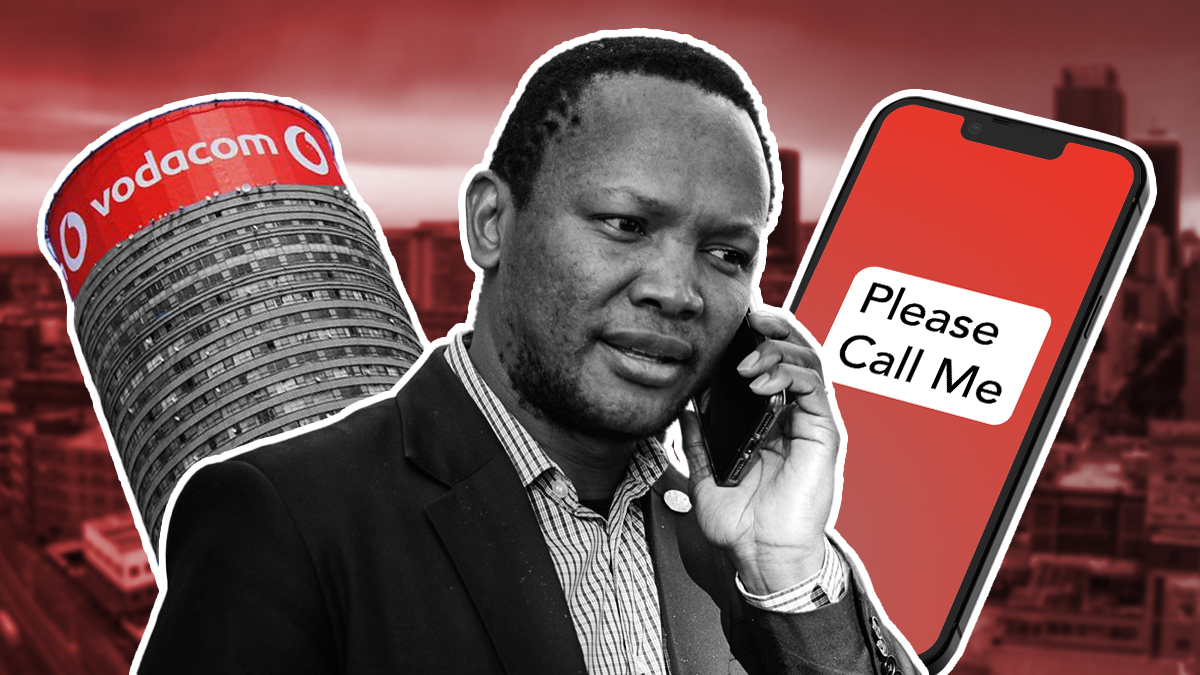
Legal Storm Hits Makate After Vodacom Settlement.
Imagine a simple idea involving vodacom that lets broke friends connect with one quick text. Now picture that idea sparking a battle worth billions in South Africa’s courts. The Vodacom -Makate dispute over the “Please Call Me” service did just that. For over a decade, Nkosana Makate fought Vodacom for fair pay on his brainchild. A recent settlement ended the main fight, but fresh legal waves crash down on Makate. This case shakes up how companies handle worker ideas in telecom. It spotlights risks in big firms and lessons for everyday inventors. Stick around as we unpack the chaos and what it means for you.
For more related content, Read: https://newzclub.online/bester-challenge-constitutional-presumption-of-innocence/
The Genesis of the Legal Conflict: Tracing the ‘Please Call Me’ Innovation
The story starts back in 2000. Nkosana Makate worked as a trainee at Vodacom. He saw how prepaid users often ran out of airtime mid-chat. His fix? A free “Please Call Me” message to nudge someone to call back. Vodacom loved it and rolled it out fast. The service exploded, with billions of uses each year. But Makate got no cut of the cash it brought in. That sparked the core fight over unpaid royalties.
The Birth of an Idea: From Concept to Commercial Potential
Makate pitched his idea in a company meeting. He wanted a way for customers to signal low balance without spending. Vodacom bosses tested it small at first. Soon, it became a hit across South Africa. By 2001, millions sent these alerts daily. The service saved Vodacom from lost calls and boosted loyalty. Makate expected a reward, like a bonus or share. Instead, talks stalled, and resentment grew. This simple proposal turned into a goldmine, handling over 1.5 billion requests yearly at its peak.
Landmark Court Rulings and Precedent Setting
Courts stepped in years later. In 2016, the High Court sided with Makate on an implied deal. Vodacom appealed, but the Supreme Court of Appeal backed him in 2018. They said companies must pay fair for ideas workers share. The Constitutional Court sealed it in 2020, ordering Vodacom to figure “reasonable compensation.” This set a rule: Even without a signed paper, firms owe for big-value ideas. The rulings opened doors for similar claims. Makate’s win pushed Vodacom to the table for talks.
Analyzing the Vodacom Settlement Terms and Immediate Impact
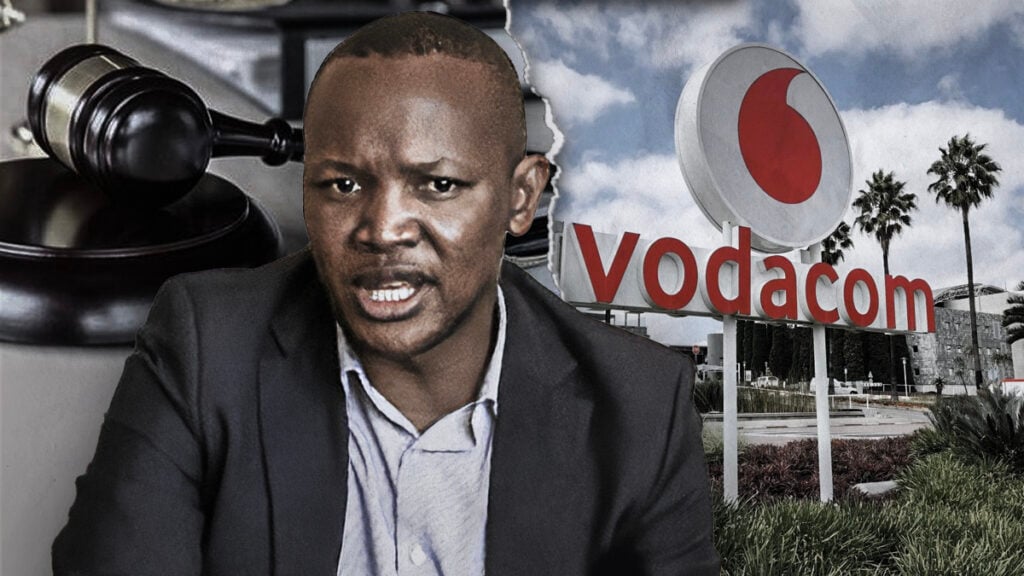
The settlement dropped in mid-2023. It closed the long chapter with a cash deal. Details stay private, but leaks point to a big payout for Makate. This ended threats of endless appeals. Vodacom breathed easy, dodging higher court costs. For Makate, it meant real money after years of stress. But peace didn’t last. New suits popped up over how the deal got handled.
Deconstructing the Financial Agreement
Reports say the deal mixes a lump sum with future bits. Makate gets around R80 million upfront, sources claim. That’s far less than the billions courts once eyed. Why the drop? Both sides wanted finality. Vodacom avoids ongoing profit shares from the service. Makate locks in gains without more fights. The structure favors quick closure over max cash. Experts call it smart for both, but some say Makate sold short.
Regulatory and Shareholder Reactions Post-Settlement
Watchdogs like ICASA watched close. They praised the end of the drama but urged better IP rules in telecom. Shareholders cheered as Vodacom’s stock ticked up slightly. No more billion-rand cloud hung over profits. Vodacom issued a short note: “We value ideas and will review our programs.” Insiders whisper of tighter contracts now. Public buzz focused on fairness. One analyst noted, “This quiets investors but spotlights ethics.”
The Ripple Effect: Industry-Wide Implications for Innovation and IP Rights
The case ripples beyond Vodacom. Other telecom giants like MTN face scrutiny. Workers everywhere rethink sharing ideas without protection. It highlights gaps in how firms reward sparks of genius. South Africa’s tech scene shifts. Companies must adapt or risk suits. For innovators, it’s a wake-up: Document everything.
Setting a New Benchmark for Unpatented Innovation Compensation
No patent? No problem for claims now. Makate’s win sets a bar for pay on raw ideas. Firms can’t just take and run. Take employee apps or service tweaks—they could sue too. Stats show South Africa logs 20% more IP disputes yearly since 2020. This pushes boards to budget for “idea equity.” Smaller players benefit most. A startup founder said, “It levels the field against giants.”
Scrutinizing Internal Disclosure and Idea Submission Protocols
Corporate lawyers scramble to fix flaws. Many lack clear paths for idea pitches. Here’s what needs change:
- Spell out rewards upfront. Promise bonuses or shares in writing.
- Track submissions. Use forms with dates and details.
- Train staff. Teach workers on rights before they share.
Tech firms in Cape Town already tweak policies. One exec shared, “We added NDA clauses to all meetings.” This cuts lawsuit risks. Telecoms lead, but banks and retail follow suit.
The Future of Intellectual Property Law in South African Technology
South Africa’s IP rules evolve fast. The Makate saga tests limits of “fair deal” laws. Courts grapple with old cases lacking paper trails. Tech booms, so disputes will rise. Inventors gain tools, but firms face higher stakes. What happens when AI joins the mix? Expect more battles over digital ideas.
Challenges in Quantifying Damages for Unwritten Agreements
Valuing no-paper deals proves tough. How do you price a service worth billions over time? Experts use revenue shares or market comps. But courts vary— one case awarded 5%, another 50%. Makate’s fight dragged because of this mess. Legal pros warn: “Proof is key, or you get pennies.” Data from 2022 shows 40% of IP suits settle low due to vague claims. Firms now push for quick NDAs.
Lessons for Aspiring Innovators and Entrepreneurs
You have a hot idea? Act now. Protect it from day one. Steps to take:
- Write it down—date every note.
- Share smart—use NDAs with big players.
- Get advice—chat with a lawyer early, even if cheap.
Think of Makate: He trusted too much. You can avoid that trap. Join inventor groups in Joburg for tips. One tip: Patent if possible, but ideas count too. Small steps build big shields.
Conclusion: Beyond the Settlement – Defining the New Corporate Accountability Standard
The Vodacom settlement wraps Makate’s main win but stirs fresh storms. His “Please Call Me” idea changed lives yet sparked a fairness fight. Courts set precedents on pay for unpatented gems. Industry now eyes better rules for ideas. Innovators learn to guard their sparks. Companies face calls for ethics over profits. This case redefines duty in South Africa’s tech world. It proves one voice can shift giants. If you’re dreaming up the next big thing, start protecting it today—your future payout depends on it.
About the Author