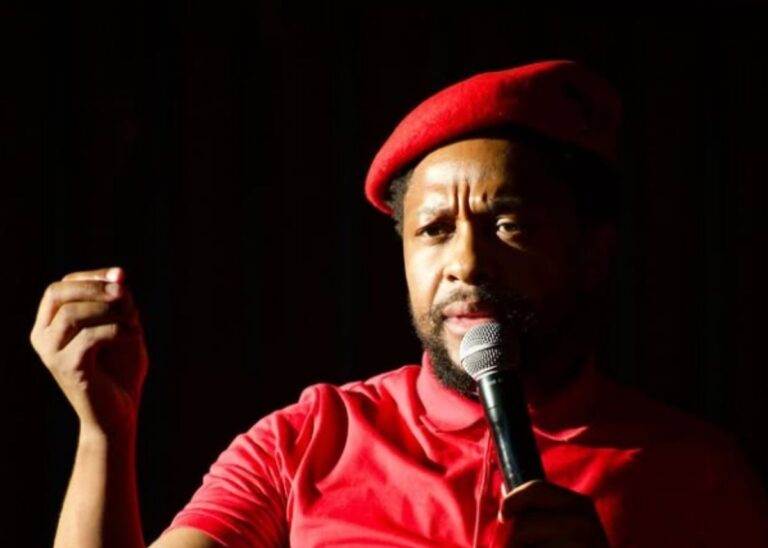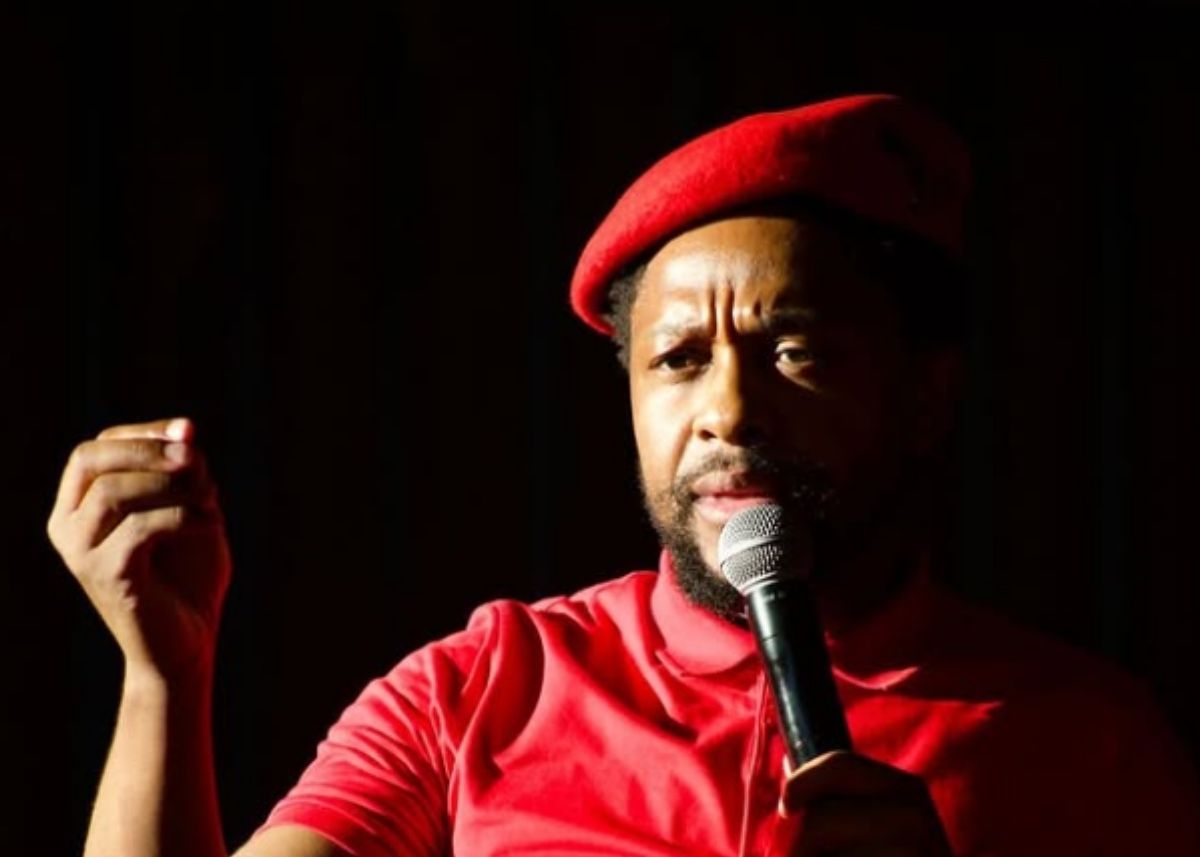
Eff declines mbuyiseni ndlozi return a mayoral candidate
The Economic Freedom Fighters (EFF) has reportedly decided not to support the return of Mbuyiseni Ndlozi as a mayoral candidate for the City of Johannesburg. The development has sparked renewed discussion around the party’s internal decision-making processes, leadership dynamics, and strategic direction ahead of upcoming political contests.
While Ndlozi remains one of the most recognisable figures within the EFF, the party’s reported stance signals a shift that could influence both its internal structure and its positioning in municipal politics. For many observers, this decision reflects broader considerations within the EFF as it navigates coalition politics and governance challenges in South Africa’s economic hub.
Table of Contents
A Moment That Raises Questions
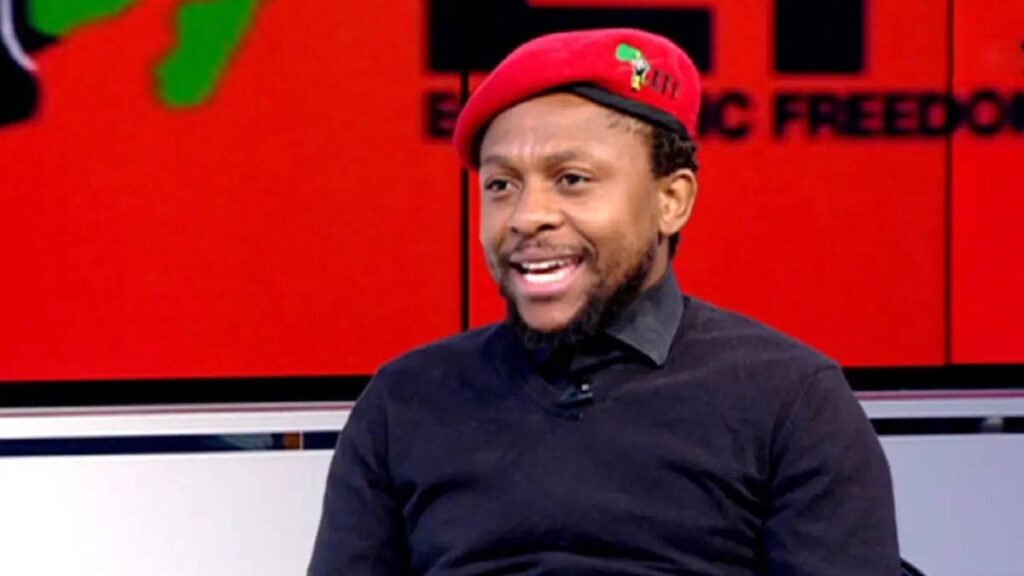
The possibility of Ndlozi returning as a mayoral candidate had gained attention in recent weeks, with speculation fueled by his political experience and public visibility. Known for his strong communication style and intellectual approach, Ndlozi has often been viewed as a leader capable of bridging the gap between grassroots activism and formal governance.
However, the EFF’s decision to decline his potential candidacy suggests that the party may be prioritising other factors. These could include internal leadership alignment, strategic partnerships, or a desire to introduce new faces into key positions.
Political analysts note that such decisions are rarely straightforward. Within a party like the EFF, which has built its identity on strong leadership and ideological clarity, candidate selection often involves balancing public appeal with internal cohesion.
Understanding the EFF’s Strategic Position
The EFF has positioned itself as a disruptive force in South African politics since its formation. Its approach has often combined activism with parliamentary engagement, allowing it to maintain visibility while influencing national debates.
In the context of Johannesburg, one of the country’s most important metros, the stakes are particularly high. The city’s governance has been shaped by shifting coalitions, making leadership choices critical for any party seeking influence.
By reportedly declining Ndlozi’s return as a mayoral candidate, the EFF may be signaling a broader strategy. This could involve supporting alternative candidates, negotiating coalition arrangements, or focusing on long-term positioning rather than immediate leadership roles.
An Administrative Internship is now open
Mbuyiseni Ndlozi’s Political Profile
Mbuyiseni Ndlozi has played a significant role in shaping the EFF’s public image. Often referred to as one of the party’s most articulate voices, he has contributed to policy discussions, public debates, and media engagement.
His background in academia and communication has allowed him to connect with a wide audience, particularly younger voters. This has made him a valuable figure within the party, even beyond formal leadership roles.
Despite the recent development, Ndlozi’s influence within the EFF is unlikely to diminish. Political careers often evolve, and leadership decisions do not necessarily reflect a decline in relevance. Instead, they can indicate shifting priorities within a party’s broader strategy.
Reactions and Public Interest
The news has generated mixed reactions among supporters and political observers. Some view the decision as a missed opportunity, arguing that Ndlozi’s profile could have strengthened the EFF’s position in Johannesburg.
Others believe the move reflects a calculated approach aimed at maintaining unity within the party. In a political environment where internal divisions can weaken organisations, careful candidate selection becomes essential.
Public interest in the story also highlights the growing role of personalities in South African politics. Figures like Ndlozi often attract attention not only for their policies but also for their communication style and public presence.
The Bigger Picture for Johannesburg
Johannesburg remains a key battleground for political influence. As the country’s economic center, decisions made within the city have far-reaching implications.
For the EFF, navigating this environment requires a balance between ideological commitments and practical governance considerations. Candidate selection is just one part of a larger strategy that includes coalition negotiations, policy positioning, and voter engagement.
The decision regarding Ndlozi may therefore be less about individual preference and more about aligning with the party’s long-term goals.
The ultimate guide to writting a winning Cv without workplace Experience.
What This Means for the EFF
The EFF’s reported stance highlights the complexity of modern political leadership. Parties must constantly adapt to changing circumstances, balancing internal dynamics with external expectations.
By choosing not to support Ndlozi as a mayoral candidate, the EFF may be opening the door for new leadership figures or alternative strategies. This could influence how the party positions itself in future elections and negotiations.
At the same time, the decision underscores the importance of unity within political organisations. Maintaining cohesion can be critical, particularly in environments where coalition politics play a significant role.
Looking Ahead
As the political landscape continues to evolve, decisions like this will shape the trajectory of both individuals and parties. For the EFF, the focus will likely remain on strengthening its influence while staying true to its core principles.
For Ndlozi, the future remains open. His experience, visibility, and communication skills ensure that he will continue to play a role in South African politics, whether within formal leadership structures or in other capacities.
Final Thoughts
The reported decision by the Economic Freedom Fighters to decline Mbuyiseni Ndlozi as a mayoral candidate in Johannesburg reflects more than a single leadership choice. It offers insight into the party’s evolving strategy and the complexities of political decision-making in a dynamic environment.
As developments continue, both supporters and observers will be watching closely. In South African politics, moments like these often signal broader shifts—ones that can influence not only party dynamics but also the direction of governance in key cities.
For readers and citizens alike, staying informed about these changes is essential. Understanding the decisions behind the headlines provides a clearer picture of where the country’s political landscape may be heading next.
About the Author