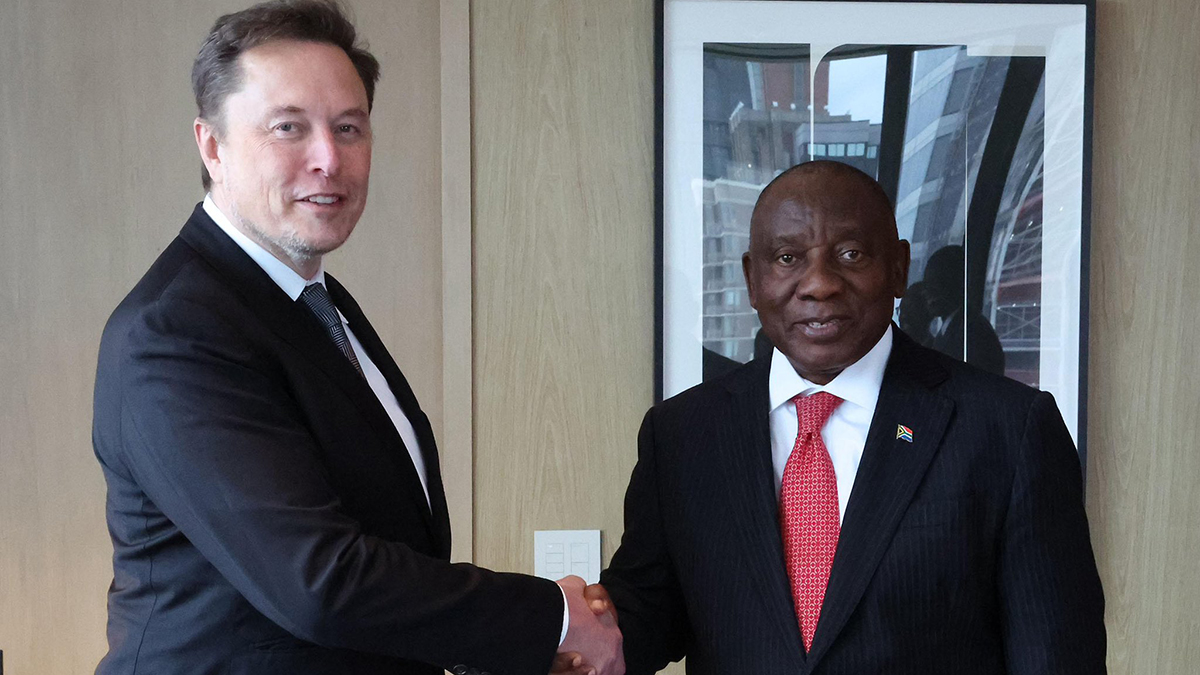
Elon Musk, the tech giant behind Tesla and SpaceX, has never shied away from bold statements. Born in South Africa, he recently took aim at his homeland’s leaders. On social media, Musk called out what he sees as racist policies targeting white citizens. This sparked a firestorm of debate. Why does a man worth billions feel this way? Let’s explore the roots of his anger and the pushback it ignited.
For more related content,Visit https://newzclub.online/south-africa-g20-absence-the-impact-of-us-block-on-2026-summit/
Contextualizing the Claims: A History of Policy and Perception
South Africa’s story after apartheid is one of big changes. The end of white minority rule in 1994 brought hope, but also tough fixes for deep inequalities. Policies aimed to lift Black South Africans, yet some say they now hurt others.
South Africa’s Post-Apartheid Transformation Policies
Laws like Broad-Based Black Economic Empowerment, or B-BBEE, push companies to hire and promote more Black workers. Land reform seeks to return property taken during apartheid to original owners. These steps address old wrongs, but critics argue they create new divides. For example, B-BBEE scores can block white-owned firms from big deals. Stats show unemployment hits 32% overall, but youth and Black groups suffer most. Still, white farmers worry about land grabs without pay.
Musk points to these as proof of bias. He grew up under apartheid’s shadow, which shaped his views. Now from afar, he sees echoes of unfairness.
Musk’s Historical Relationship with South Africa
Elon Musk left South Africa at 17 for Canada, then the U.S. His family had wealth from engineering and property. Early on, he dodged mandatory military service, citing apartheid’s cruelty. Back then, he faced bullying and built his first computer.
Today, Musk ties back through Starlink talks. He wants to bring satellite internet there, but claims red tape blocks him. His success abroad gives him a loud voice. Friends say his roots fuel passion for South Africa’s future.
Previous Criticisms from International Figures
Other big names have slammed South Africa’s path. Donald Trump once tweeted about white farmer killings. Business tycoons like Bill Gates praise aid work but flag policy snags. Diaspora voices, like Afrikaner groups abroad, echo fears of reverse discrimination.
These views form a chorus. Musk joins in, using his platform to amplify. It shows how global eyes watch the Rainbow Nation’s struggles.
Deep Dive into Musk’s Specific Accusations
Musk’s words hit hard on X, his own site. He labeled policies “racist” against whites. Let’s break down what he said and why it stings.
Allegations Regarding Property Rights and Expropriation Fears
Musk fears land seizures without cash. South Africa’s bill allows it in some cases to fix apartheid thefts. He tweeted it could spark chaos, like in Zimbabwe. White farmers own most land still, per government data—about 72%.
This claim ties to his childhood on a Pretoria estate. Now, he warns it scares investors away. Groups like Afriforum back him, saying it breaks constitution rules.
Claims of Perceived Unfair Treatment in Business Ventures
Tesla eyed South Africa for factories, but Musk says B-BBEE rules killed it. He claims the law favors Black ownership, sidelining others. His post called it “openly racist legislation.”
SpaceX faces similar walls. Starlink needs licenses, yet he alleges delays stem from bias. Reports show foreign firms struggle with equity demands. Musk argues this chokes growth in a nation needing jobs.
Focus on Crime Rates and Security Concerns
Crime plagues South Africa—over 27,000 murders last year. Musk links it to government fails, saying whites face extra risk. He shared stories of farm attacks, often brutal.
Data from AgriSA shows 50 farm murders yearly, many white victims. Musk says police ignore it due to race. This paints a picture of neglect. His own family fled threats long ago, adding personal bite.
South African Government and Stakeholder Responses
Leaders fired back fast. They see Musk’s words as unhelpful noise. Local voices add layers to the fight.
Official Rebuttals and Statements from Government Officials
President Cyril Ramaphosa’s team called the claims “misguided.” The presidency tweet stressed policies fight poverty, not race. Minister Gwede Mantashe said land reform protects all rights.
They point to the constitution’s equality clause. No seizures without fair process, they insist. Stats back them: Black ownership rose just 8% since 1994. Officials urge Musk to visit and see progress.
Perspectives from Domestic Advocacy Groups
Civil groups split. The Black Sash defends empowerment as justice. They note whites still hold 60% of top jobs. Business Unity South Africa wants tweaks, not scraps.
On the flip side, Solidarity union calls Musk spot-on. They sue over “racial quotas” in hiring. These debates rage in town halls and online.
For jobs or internships, Visit https://careerspath.org/office-warehouse-cleaner-role-available-now-x1/
Analysis by Legal and Policy Experts
Constitutional lawyers say B-BBEE passes muster. Judge Dennis Davis wrote it balances redress with fairness. Expropriation needs court okay, per experts.
Policy wonks at the Institute for Justice cite global parallels, like U.S. affirmative action. They warn Musk’s blast hurts unity. Yet, some agree tweaks could ease tensions. For tools to rephrase complex policy talks,
Analyzing the Discourse: Free Speech, Responsibility, and Global Platforms
Musk’s reach shapes talks worldwide. But where’s the line between gripe and harm? This spat highlights big issues.
The Role of Social Media in International Diplomacy
X lets anyone weigh in on nations. Musk, with 180 million followers, sways opinions quick. His posts on South Africa trended globally.
This blurs lines—CEO as critic? It amps pressure on leaders. Yet, it skips nuance, say watchers. Platforms like this change how countries chat.
Distinguishing Criticism of Policy from Accusations of Racism
Bashing B-BBEE is fair game. But calling it racist? That’s loaded. Musk blends them, saying intent hides hate.
Experts parse: Policy aims equity, not revenge. Analogy: Like fixing a tilted scale, not flipping it. Musk sees flip; government sees fix.
The Impact of High-Profile Accusations on Investor Confidence
Big shots like Musk spook markets. FDI dipped 30% in South Africa last year. His words might worsen that.
Tourism and stocks wobble after viral claims. Banks watch close. On the bright side, it sparks reform talks. Investors want stability, not fights.
Conclusion: Key Takeaways from the Controversy
Musk’s blast against South Africa’s government boils down to fears of bias in laws like B-BBEE and land grabs. He paints a picture of white targeting amid crime woes. Yet, officials counter that these fix apartheid scars, with data showing slow but steady change.
This row reveals cracks in South Africa’s global image. Domestically, folks push for balance; abroad, doubts linger. It spotlights how one voice can stir a nation.
About the Author