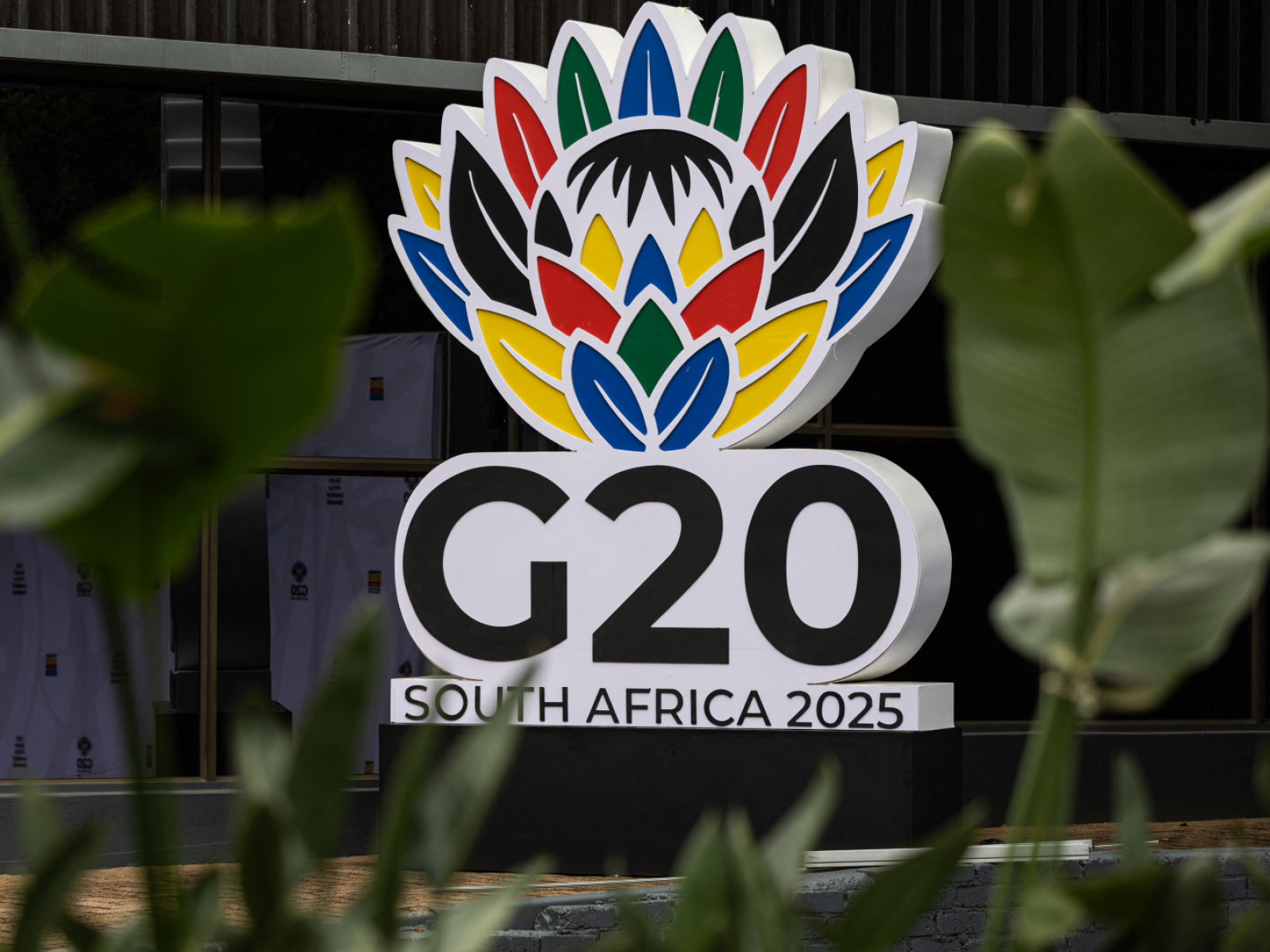
Imagine a key player suddenly benched from the world’s top economic huddle. That’s the shock rippling through global talks right now. Reports hit the wires this week: the US has blocked South Africa’s spot at the 2026 G20 summit, forcing the nation to skip the event altogether. This move shakes up more than just one country’s plans—it tests the whole idea of fair play in international forums.
The G20 brings together leaders from the biggest economies to tackle trade, growth, and crises. South Africa stands out as the lone voice for Africa, speaking for over a billion people on the continent. Without it there, the summit loses a vital piece of the puzzle, especially when issues like fair trade and climate aid need every angle covered.
For more related content, Visit https://newzclub.online/eff-marches-demanding-delayed-phalaphala-judgment/
The US Rationale and Diplomatic Fallout
Examining the Alleged Grounds for US Intervention
US officials point to shifting alliances as the main reason for the block. They claim South Africa’s close ties with Russia and China clash with Western goals on security and trade. Experts say this stems from recent votes at the UN where South Africa took stances that irked Washington, like on Ukraine or global sanctions.
Tensions boiled over in bilateral chats last year. The US worried about South Africa’s role in BRICS pushing for a new world order less tied to the dollar. This block isn’t just about one summit; it signals how big powers can steer who joins the club, raising fears of more such moves down the line.
If the US keeps flexing like this, smaller nations might pull back from these groups. It sets a risky example, where politics trumps shared economic needs.
Immediate Reactions from Pretoria and African Stakeholders
South Africa’s government fired back quick and firm. President Cyril Ramaphosa called the decision a blow to Africa’s rights, stressing that no single country should dictate who speaks for the continent. They plan to challenge it through quiet diplomacy and public appeals.
The African Union jumped in too, labeling the block as unfair exclusion. Leaders from Nigeria and Kenya echoed that, saying it quiets the Global South at a time when debt talks are hot. Regional groups like the Southern African Development Community worry this hurts joint efforts on energy and jobs.
Folks in Pretoria see this as a wake-up call. They’re rallying support from old allies to keep their voice loud elsewhere.
Analyzing the Consequences for G20 Credibility and Agenda Setting
The Diminished Voice of the Global South
Losing South Africa means the G20 talks less about real struggles in poorer regions. Think debt relief for African nations—South Africa often leads those pushes, backed by data showing $1 trillion in continent-wide loans due soon. Without that input, decisions might favor rich countries more.
Climate money is another big loss. South Africa brings facts on how rising seas and droughts hit farming hard there, with stats from the World Bank showing 20 million jobs at risk. Who steps up now? Maybe India, but it can’t match Africa’s on-the-ground view.
This gap weakens the whole group’s trust. People in the South might tune out if they feel ignored, leading to slower global fixes.
Impact on Trade Negotiations and Investment Flows
G20 meetings spark deals that boost trade routes. South Africa has hosted talks before that opened doors for African exports, like minerals to Europe—last year alone, those deals added $50 billion in flows. A no-show in 2026 could stall similar wins.
Investors hate uncertainty. Big firms like those in mining or tech might pause plans in southern Africa, fearing shaky ties with the West. Reports from Bloomberg note a 10% dip in foreign cash already after the news broke.
Short-term hits could linger. Supply chains from Cape Town to global markets might snag, raising costs for everyone. It’s a reminder that diplomacy fuels the dollars.
Lessons for Multilateralism: Navigating Power Politics in Global Forums
Precedents and Future Scrutiny of G20 Membership Criteria
This block might make countries like Indonesia or Turkey rethink G20 reliance. They could demand votes on who joins, avoiding one-nation vetoes. Past cases, like Russia’s 2014 ouster, show how politics creeps in—now eyes turn to fixes.
Clear rules would help. Base spots on GDP or population, not alliances, to cut volatility. Nations might push this at next UN sessions, seeking balance.
Middle powers gain from watching close. It prompts them to build side networks, less prone to big-power whims.
Actionable Steps for Diplomatic Engagement in Exclusionary Environments
Nations shut out can still play. Join IMF working groups tied to G20—they cover finance tweaks without full seats. South Africa excels there, shaping loan terms for Africa.
Link up with World Bank panels too. Send experts to side events during summits for backdoor chats. Track records show this sways outcomes, like recent climate funds.
Build coalitions early. Partner with like-minded states for joint statements—strength in numbers keeps influence alive. It’s about smart moves, not just the main table.
Looking for jobs or internships, Visit https://careerspath.org/office-warehouse-cleaner-role-available-now-x1/
Leveraging Domestic Economic Resilience
Policy folks in South Africa can turn inward now. Boost ties within the SADC bloc—shared borders mean quick wins on power grids and roads, cutting import needs. Reforms like easing business rules could draw local cash back home.
Resource smarts matter too. With gold and platinum mines key, focus on green tech upgrades to sell more sustainably. Government plans aim to create 300,000 jobs this way, per recent budgets.
Facing outside pressure, this builds a story of strength. It shows the world they’re not sidelined—they’re choosing their path.
Conclusion: Redefining Influence Beyond the G20 Table
The US block on South Africa’s 2026 G20 spot marks a tough hit for global talks. It spotlights risks when one power calls shots, dimming the forum’s reach to the Global South. Yet for South Africa, it’s a push to rethink paths, leaning on BRICS and home strengths.
Key losses include weaker voices on debt and trade, plus investor jitters. But gains lie in deeper south-south ties and regional focus, proving exclusion doesn’t equal defeat. The G20’s future hangs on fairer rules—if big members keep picking sides, its pull fades fast.
What does this mean for you? Watch how nations adapt; it shapes tomorrow’s economy. Stay tuned to these shifts—they redefine who’s in charge.
About the Author