Ramaphosa phalaphala matter delayed judgement
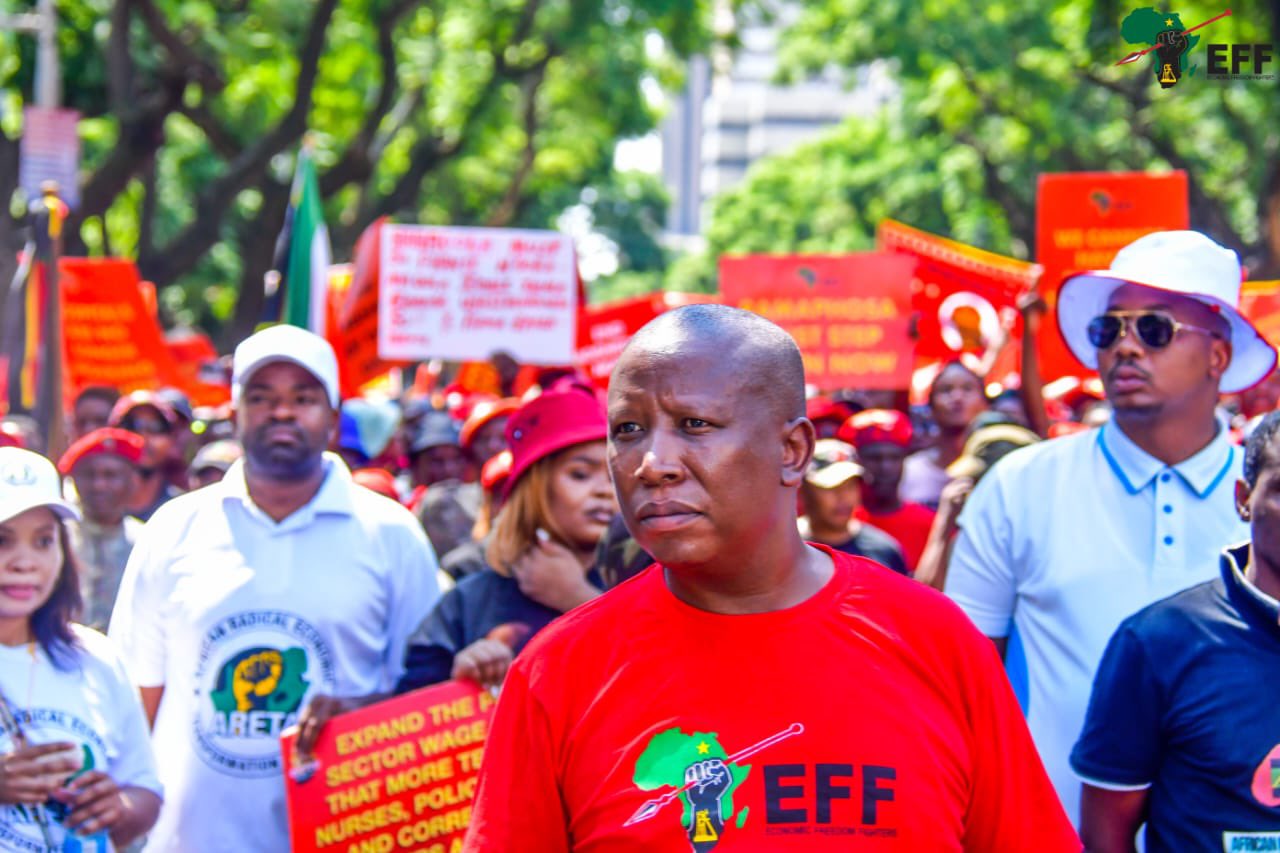
In the heart of South Africa’s political storm, a group of red-clad marchers flooded the streets leading to the Constitutional Court. The Economic Freedom Fighters, or EFF, took bold steps to demand action on a long-stuck ruling. This protest targets the Phalaphala scandal, a case that questions the actions of the nation’s top leader. Tensions run high as citizens watch closely. Why does this matter? It ties into trust in our leaders and courts. The march highlights frustrations over delays that feel endless.

For more related content, Visit https://newzclub.online/hawks-and-hospital-officials-face-court-in-r2-billion-tembisa-hospital-bribery-scandal-probe/
The Legal Backdrop of the Phalaphala Inquiry
The Phalaphala matter started with a strange theft at President Cyril Ramaphosa’s farm in 2020. Burglars took cash from a hidden sofa, sparking big questions. Lawmakers pushed for a probe under Section 89 of the Constitution. This section lets Parliament look into removing a president for serious faults.
Genesis of the Section 89 Investigation
It all kicked off when reports hit the news about the farm break-in. The president faced claims of hiding money and possible crimes. Parliament set up an independent panel in late 2022 to check the facts. That group found enough smoke to suggest a deeper fire. They said Parliament should debate impeachment steps. But politics got in the way fast.
The panel’s report painted a picture of hidden dealings. It pointed to risks of money laundering and corruption. For many, this hit at the core of honest government. The EFF and others saw it as a chance for real change. Yet, the path forward twisted into legal knots.
Timeline of Key Legal Submissions and Findings
Key dates mark this saga. The panel formed in November 2022. It released its report by December’s end. Early 2023 brought National Assembly votes that shot down further probes. Legal fights followed quick.
By mid-2023, the case reached the Constitutional Court. Challengers argued the Assembly’s vote broke rules. The court heard arguments in August 2023. It reserved judgment then, promising a decision soon. But months passed without word. Now, over a year later, the wait drags on. This timeline shows a process that’s slow when stakes are huge.
- November 2022: Panel established.
- December 2022: Report submitted, urging impeachment debate.
- 2023: Assembly rejects motion; court challenges filed.
- August 2023: Oral hearings at ConCourt.
- 2024: No judgment yet, fueling public anger.
Delays like this test patience. They make people wonder about fairness in the system.
Motivations Behind the EFF’s Constitutional Court March
The EFF didn’t march on a whim. Their leaders, like Julius Malema, called the delay a sign of bias. They claim powerful hands pull strings to protect the president. The party wants the court to act now. For them, silence equals cover-up.
Allegations of Judicial Delay and Its Political Impact
EFF spokespeople point to the judgment’s hold-up as fishy. They say it’s been too long for such a big case. Politics heats up as elections near. A ruling could shake the ANC’s grip on power. The march aims to light a fire under the judges.
This action stirs debate. Some see it as rightful pushback. Others worry it meddles in court affairs. Either way, it grabs headlines. The Phalaphala probe links to wider graft issues in South Africa. Delays here echo problems everywhere.
Public polls show growing distrust. One survey found over 60% of folks think leaders dodge blame. The EFF taps into that rage. Their march, with chants and signs, demands truth over time-wasting.
Constitutional Imperatives: Access to Justice and Finality
Our Constitution promises quick justice for all. Section 34 guarantees fair hearings without undue delay. In Phalaphala, the wait hurts that promise. It leaves questions hanging about the president’s role.
Timely rulings build faith in courts. When they lag, especially on leaders, doubt creeps in. The EFF argues this case needs speed for the nation’s sake. Citizens deserve answers on their top official.
Think of it like a family dispute left unsolved. Resentment builds. Here, it’s the whole country waiting. The march presses for closure that honors our basic rights.
Precedents and Public Scrutiny on Judicial Timelines
South African courts face heat over slow judgments before. High-profile cases often draw eyes. Delays spark talks on how to fix the pace.
Case Studies on Judgment Delivery Delays
Take the 2016 Nkandla ruling. It took the ConCourt months to decide on state funds for a president’s home. Public outcry pushed it along. Another example: Zuma’s contempt case in 2021. Judgment came weeks after hearings, amid big pressure.
These show patterns. When politics mix in, waits grow. No exact match to Phalaphala, but the vibe feels similar. Scrutiny rises as delays stretch past a year. Reports from legal watchdogs note average ConCourt times hover around three to six months. Phalaphala blows past that.
Lessons from past? Pressure works, but it must stay proper. EFF’s move echoes those old calls for speed.
The Role of Public Pressure in Judicial Proceedings
Courts need space to think. Judges stress independence from street noise. Yet, big cases pull crowds. The EFF says Phalaphala demands that spotlight.
Balance is key. Protests can nudge without bullying. In this case, organized marches test limits. They highlight how public voice shapes justice.
What if silence ruled? Issues like Phalaphala might fade away. Pressure keeps the heat on. It reminds judges of real lives waiting.
Lookig for jobs or internships, Visit https://careerspath.org/office-warehouse-cleaner-role-available-now-x1/
Constitutional Court Response and Procedural Implications
So far, the court stays quiet on the march. No official word yet. But such actions ripple through their halls.
Court Protocols Regarding Reserved Judgments
ConCourt rules set clear paths. After hearings, judges deliberate in private. They aim to release rulings within months. For executive matters, like impeachment probes, extra care applies.
The registrar handles outside queries. Protests don’t force hands. But they add eyes on the process. Standard time for reserved judgments? Often 4-6 months, per court stats.
This case tests those norms. Phalaphala’s weight makes every day count.
Potential Ramifications of the Direct Appeal/Demand
EFF’s bold step could backfire. It might paint the court as swayed. Or, it could speed things up. Procedurally, no direct appeal changes rules. Marches target the registrar’s office, not judges.
Impacts on impartiality? Protests challenge the court’s shield. Yet, in democracy, voice matters. This demand might lead to a statement soon. It underscores tensions between street and bench.
Long-term, it could spark talks on faster timelines. For now, it hangs in the air.
Conclusion: The Road Ahead for the Phalaphala Matter
The EFF’s march marks a turning point in the Phalaphala saga. It clashes public fury with judicial calm. Key points stand out: the scandal’s roots in farm theft, legal twists through Parliament and court, and now street demands for a ruling.
What comes next? Watch for court replies. Stay informed on this unfolding story. Your voice, like the marchers’, pushes for accountability. In South Africa, justice waits for no one forever. Let’s hope the wait ends soon.
About the Author