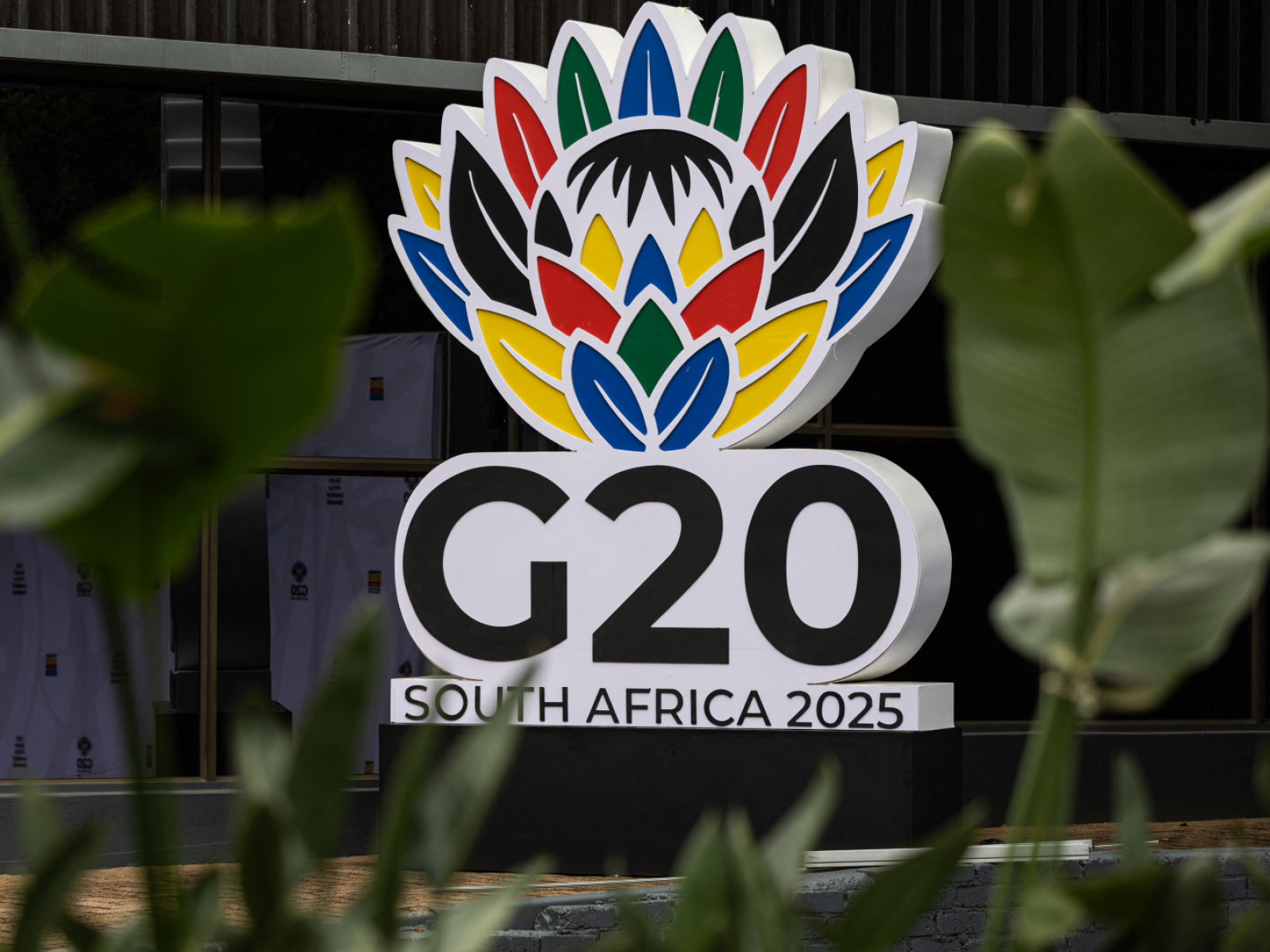
Picture this: world leaders gather under the warm African sun, not as visitors, but as partners in a shared future. For the first time ever, the G20 summit lands on African ground in Johannesburg, South Africa. President Cyril Ramaphosa kicks things off with a bold call—Africa isn’t just showing up to the table; it’s claiming its seat.
This event comes at a tough time. The world still shakes from the COVID-19 mess, fights over trade heat up, and calls grow loud for fairer global rules. Ramaphosa’s words spotlight a big shift: Africa steps up in world talks, pushing for real change in how nations work together.
For more related content, Visit: https: https://newzclub.online/bester-challenge-constitutional-presumption-of-innocence/
The Significance of Hosting the G20 in Africa
A Milestone in Global Representation
Africa finally hosts the G20, a first in the group’s 25-year run. This spotlights the continent’s rising voice after years on the sidelines. Leaders from 19 countries plus the EU meet here to tackle big issues like growth and peace.
The choice of South Africa means more than a pretty backdrop. It shows unity among 54 African nations, hungry for progress. Think of it as the continent waving its flag high, saying we’re ready to lead.
Talks swirl around the African Union joining the G20 for good. If that happens, Africa’s 1.4 billion people get a direct say in global plans. No more waiting for invites—this could lock in steady input on trade and aid.
Ramaphosa’s Declaration: “Africa is Not a Guest”
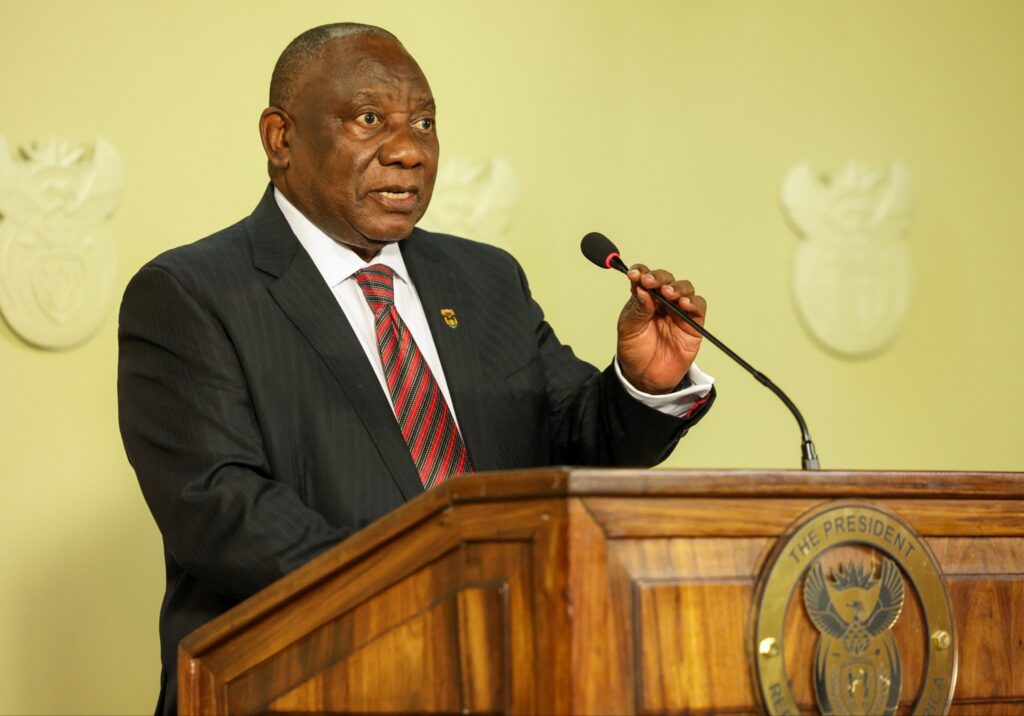
Ramaphosa didn’t mince words in his speech. He said Africa brings its own strength to the table, not begging for scraps. This line hits hard: no more seeing the continent as a side player in world affairs.
What does “not a guest” really mean? It points to Africa owning its choices on money, land, and deals. Leaders want partnerships that build skills, not endless loans that trap nations in debt.
In his address, Ramaphosa stressed self-rule and fresh starts. He called out old habits where rich countries set all rules. Africa demands a spot where its needs shape the outcomes, from farm aid to tech shares.
Key Economic and Governance Imperatives Addressed at the Summit
Reforming Global Financial Architecture
G20 talks zero in on fixing money systems that shortchange poor countries. African voices push hard for changes at places like the IMF and World Bank. They want loans that fit real needs, not one-size-fits-all traps.
Debt weighs heavy on many African spots. Over 20 countries face crisis levels, with payments eating up budgets meant for schools and roads. Leaders at the summit urge quick relief plans, like pausing interest for a few years.
Proposals include fairer votes in these banks. Africa holds just 6% of say despite big needs. Ramaphosa and others call for shifts that match the continent’s share of world people and growth.
Climate Justice and Sustainable Development Financing
Africa bears the brunt of climate hits but made little of the mess. Storms flood farms, droughts kill livestock—yet funds promised by rich nations lag. The summit presses for that $100 billion yearly pledge to flow faster.
Green shifts offer hope, but they need cash and know-how. Solar farms could power homes without dirty fuels. Leaders ask for tech handovers, like better batteries, to speed this up.
Balance proves tricky: Africa craves factories for jobs, but rules curb emissions. Discussions highlight funds for clean growth, such as wind projects in Kenya or hydro in Ethiopia. Real aid means turning words into wires and panels on the ground.
Addressing Critical Global Challenges Through an African Lens
Geopolitical Balancing and Non-Alignment
Africa walks a fine line between big powers like the US, China, and Russia. No picking sides—just smart deals that help home. The summit stresses ties that bring roads, ports, and schools without strings.
Take China’s belt projects: they build rails across East Africa, boosting trade. US efforts focus on health and tech, like vaccine plants in South Africa. Leaders mix these to gain the most, keeping peace local.
This approach fits Africa’s history of staying out of cold war fights. Now, with tensions high, the continent uses its spot to push for calm talks. Ramaphosa notes how diverse links cut risks, like supply snags from far-off fights.
Food Security and Supply Chain Resilience
Wars far away, like in Ukraine, spike prices for Africa’s grain and fertilizer buys. Food costs jumped 30% in spots like Nigeria last year. The G20 eyes ways to shield against such shocks.
One fix: grow more trade inside Africa. The African Continental Free Trade Area could link markets, cutting import reliance. Leaders talk tariffs down and roads up to move goods easy.
Plans include stockpile funds for bad harvests. Tech like drought-proof seeds helps farmers too. At the summit, pledges aim for resilient chains—think local mills and shared weather data to keep plates full.
- Build regional hubs for seeds and tools.
- Train farmers on new crops that fight dry spells.
- Link small plots to big buyers via apps.
Moving Beyond Pledges: Actionable Outcomes and Future Trajectory
Evaluating the Summit’s Tangible Deliverables
The Johannesburg meet yields real steps, not just talk. Deals ink for $50 billion in African infrastructure over five years. Focus hits digital links, like fiber cables from Cape to Cairo.
Memos sign on debt pauses for three nations, freeing $2 billion for health. Tech firms promise training in AI for 1 million youth. These moves target jobs in green sectors.
Watchdogs get a nod too. A new board tracks G20 promises, with yearly checks. African reps lead reviews to keep feet to the fire—no more forgotten vows.
The Road Ahead for African Leadership in Multilateralism
Hosting here flips the script on who sets agendas. Africa now drives chats on debt and green funds. Long-term, this boosts the continent’s pull in UN and trade pacts.
Prep ramps up for next big meets, like COP climate talks. Lessons from G20 shape stronger bids there. Youth and women groups gear up, ensuring wide voices carry forward.
Expect bolder plays from African chairs in years ahead. This summit plants seeds for a world where the Global South leads more. Change builds slow, but the ground shifts now.
Conclusion: A Mandate for Inclusive Global Governance
The G20 on African soil stands as a turning point. Ramaphosa’s call rings clear: Africa claims its role in shaping tomorrow. No longer sidelined, the continent pushes for fair rules that lift all.
Key wins shine through—debt fixes, climate cash, and smart ties. These tackle real pains like hunger and job gaps. Yet true test lies in follow-through; actions must match the bold words.
About the Author