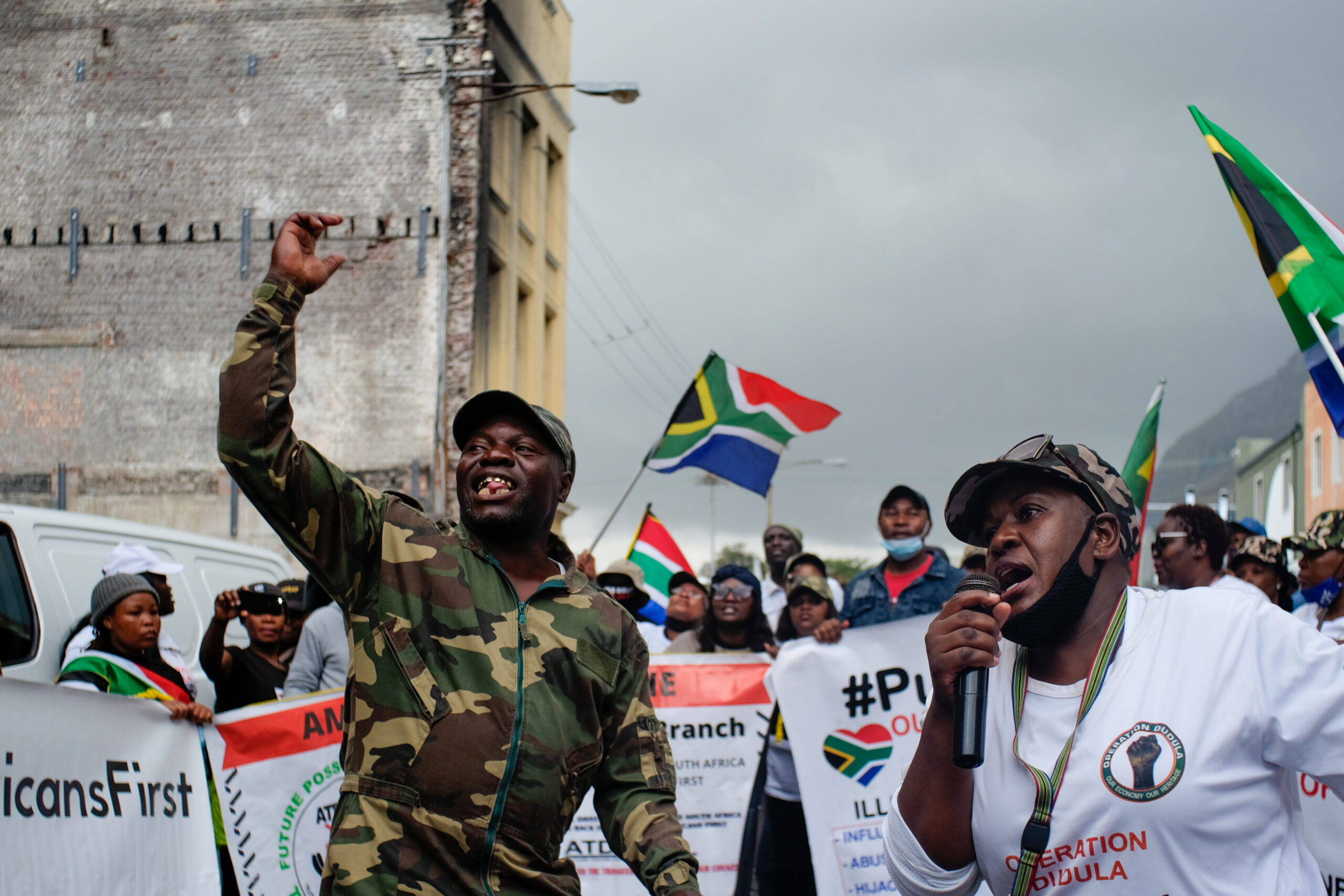
In South Africa, tensions over immigration often spark heated debates. Groups like Operation Dudula step in when they feel the government falls short. But what happens when community efforts cross into illegal territory? The Gauteng High Court recently stepped in with a strong order. This ruling stops Operation Dudula from targeting undocumented people. It highlights the clash between public frustration and legal limits. As we dive deeper, you’ll see how this decision shapes fights against illegal immigration in Gauteng and beyond.
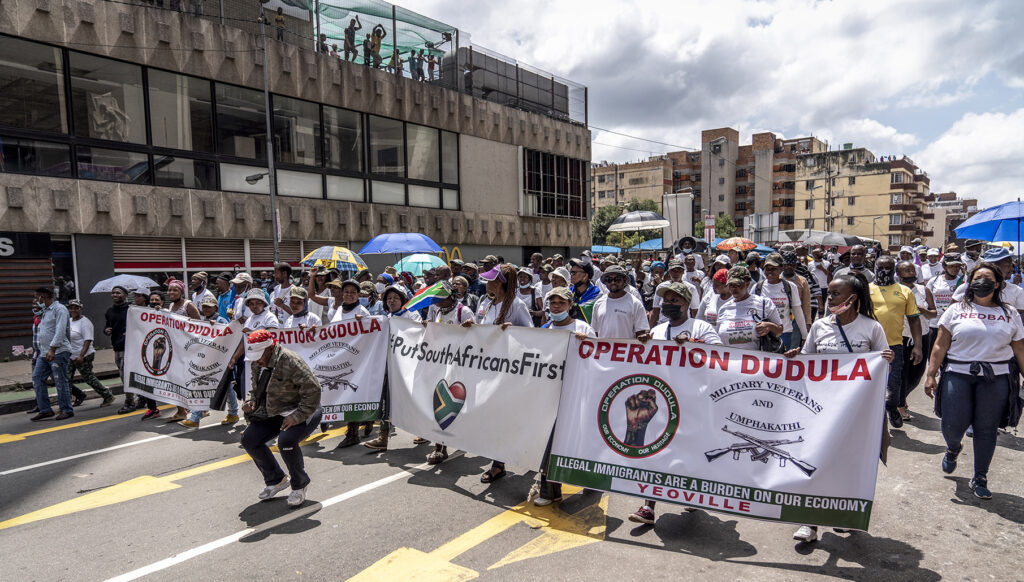
For more related content, Visit: https://newzclub.online/motion-of-no-confidence-against-johannesburg-mayor-morero/
The Genesis and Mandate of Operation Dudula
Operation Dudula: Objectives and Community Mobilization
Operation Dudula started in Soweto back in 2022. Its main goal? To root out crime linked to undocumented foreigners. Members say they want safer streets and fairer job access for locals. They patrol areas and report issues to authorities.
Public backing grew fast. Many in townships feel overlooked by slow police work. Rallies draw crowds who chant for change. Social media amplifies their voice, with posts going viral. This grass-roots push taps into real anger over unemployment and poverty.
Yet, not everyone agrees. Critics call it a front for hate. Supporters see it as a call for action. Either way, the group has mobilized thousands in Gauteng.
Legal Challenges Against Vigilantism and Unlawful Detentions
Lawyers quickly challenged their tactics. They argued that Dudula’s patrols lead to unlawful stops. People get detained without warrants, scaring communities. Human rights groups filed urgent cases to protect vulnerable folks.
The core issue? Only the state can enforce immigration laws. Groups like Dudula lack that power. Fears of violence rose after past raids turned messy. One report noted assaults on migrants during a Johannesburg sweep.
Applications for court orders cited the Constitution. They stressed rights to dignity and freedom from arbitrary arrest. Without these checks, xenophobic attacks could spike. The legal push aimed to draw a clear line between protest and crime.
The Gauteng High Court Ruling: Scope and Specifics of the Interdict
Analyzing the Court Order: Prohibitions on Action
Judge Denise Fisher issued the order in late 2023. It bars Operation Dudula from any direct moves against undocumented individuals. No more raiding shops or homes. They can’t detain or question people on immigration status.
The ruling spells it out. Members must not use force or block access to buildings. Protests are okay, but only if peaceful. This stops vigilante-style enforcement cold.
Why so strict? The court saw risks of harm. Past incidents showed Dudula blocking roads and scaring families. The order lasts until a full trial, keeping things in check.
Jurisdiction and Constitutional Authority
The Gauteng High Court has power over these matters. It sits in Pretoria and Johannesburg, covering key hotspots. The decision leans on Section 12 of the Constitution. That protects against unlawful detention.
Laws like the Immigration Act back this up. Only Home Affairs and police handle deportations. Private groups can’t play cop. Past cases, such as ones against other vigilante outfits, set this precedent.
Think of it like this: If neighbors policed traffic, chaos would follow. The court made sure the state holds the reins. This ruling reinforces that boundary.
Implications for Law Enforcement and State Responsibility
Reasserting the Role of the South African Police Service (SAPS) and DHA
The order puts SAPS and the Department of Home Affairs (DHA) back in charge. They must handle arrests and checks on status. No more community groups filling the gap. This could push officials to speed up their work.
But questions linger. Why did Dudula gain traction? Stats show Gauteng hosts over 2 million migrants, many undocumented. DHA deportations hit just 8,000 last year—far below needs. SAPS faces staff shortages, slowing responses.
The ruling spotlights these gaps. It urges better resources for border control and patrols. Communities want results, not excuses.
Balancing Safety Concerns with Due Process
Courts must weigh fears against rights. The judge noted community worries about crime. Yet, everyone deserves a fair shot under the law. Undocumented folks aren’t criminals by default.
This balance prevents mob rule. Imagine a world where anyone could grab suspects—disaster. The order promotes reports to police instead.
Cooperation might improve now. Locals can tip off SAPS without taking action. But trust issues remain. Will officials step up? That’s the real test ahead.
Responses and Future Trajectories for Operation Dudula
Reactions from Operation Dudula Leadership and Members
Leader Nhlanhla “Lux” Mohlauli called the ruling unfair. He said they’d comply but fight it in court. “We won’t stop speaking out,” he told reporters. Plans for an appeal are in motion.
Some members tested limits right away. A small protest in Diepsloot stayed peaceful, but tensions simmered. Others vowed to focus on advocacy. No more street patrols, they claim.
Support wanes for some. Online forums show split views. Hardliners push back; others see the writing on the wall.
The Broader Context of Xenophobia and Migration Debates
This case ties into South Africa’s long struggle with xenophobia. Attacks in 2008 killed dozens. Gauteng sees spikes during job hunts. Undocumented workers fill low-wage roles, fueling resentment.
The order doesn’t fix root causes. Poverty hits 55% of black South Africans. Jobs are scarce—youth unemployment tops 60%. Migration from Zimbabwe and elsewhere keeps flowing.
Talks now center on policy fixes. Calls grow for faster visa processing. Labor laws need tweaks to protect locals. Without these, groups like Dudula could regroup.
Experts say education helps. Workshops on rights cut hate. But change takes time. The ruling buys space for calmer talks.
Conclusion: Navigating Legal Boundaries in Community Activism
The Gauteng High Court order clearly limits Operation Dudula’s reach. It bans actions against undocumented immigrants, handing control to state bodies. This upholds the Constitution’s guardrails.
Key lessons? Citizens can protest, but not enforce laws. Vigilantism risks rights abuses. South Africa needs strong government plans for immigration woes.
As you reflect on this, consider the bigger picture. Safe communities come from fair systems, not street justice. Stay informed—follow updates on migration policies. What do you think: Will this ruling bring peace, or just delay the next clash? Share your views below.
About the Author