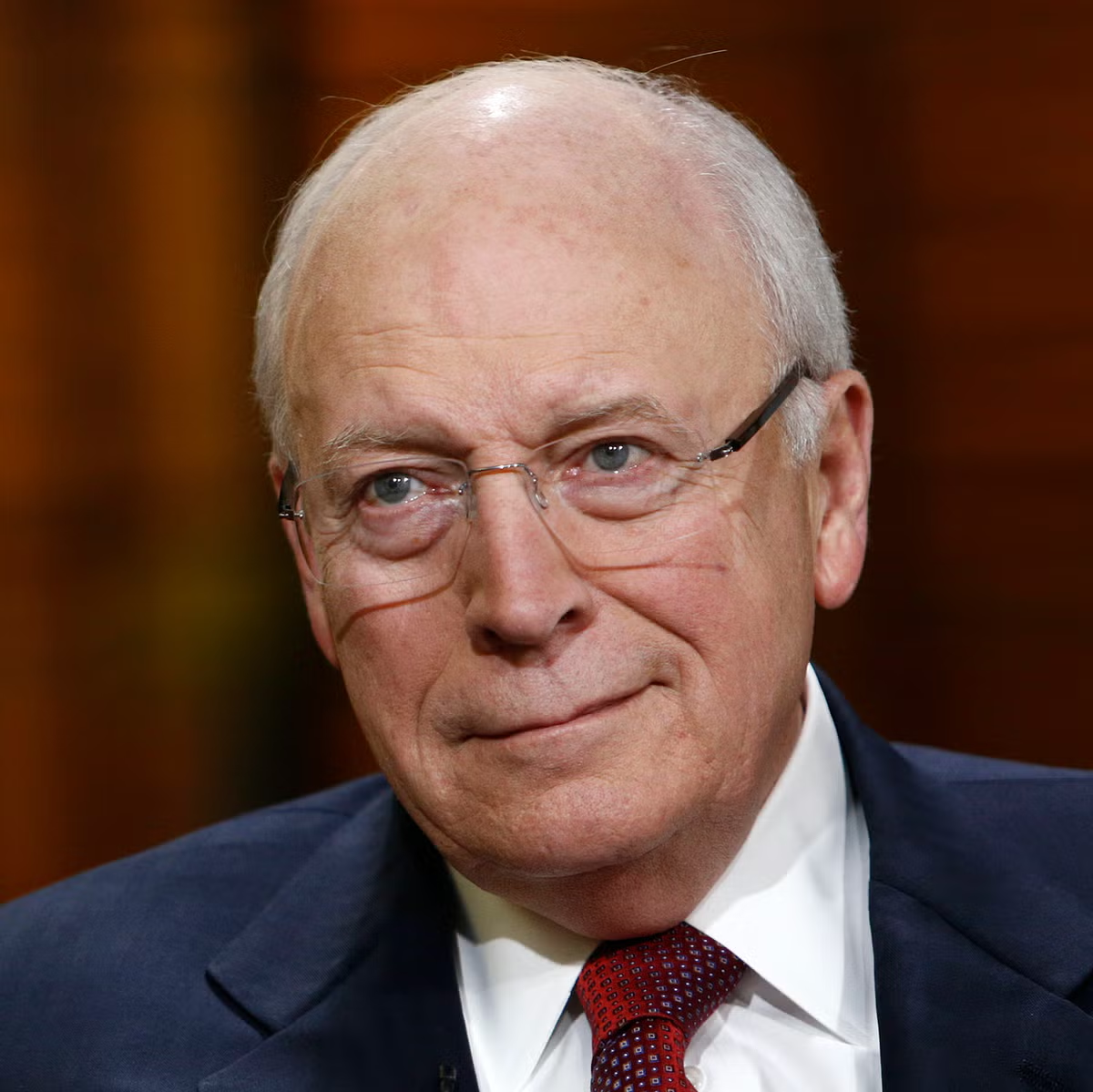
Richard Bruce Cheney, known to most as Dick Cheney, shaped American politics for decades. He served as the 46th Vice President under George W. Bush from 2001 to 2009. News of his passing at age 84 hit hard, marking the end of an era. Cheney left behind a trail of bold decisions and sharp debates that still echo today.
His career touched key moments, from the Gulf War to the fight against terror after 9/11. Friends praised his steady hand in tough times. Critics pointed to choices that sparked deep divides. This look back honors his path while facing the full picture of his impact.
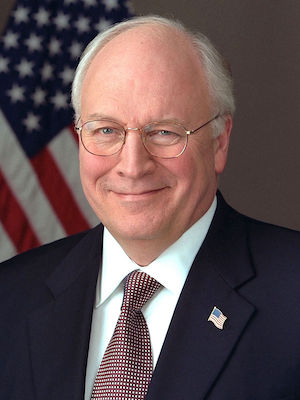
For more related content, Visit: https://newzclub.online/trump-threatening-action-in-nigeria-analyzing-retaliation-claims-over-attacks-on-christians/
The Announcement of Passing
Cheney’s family shared the sad news on a quiet morning in 04 October. He died peacefully at his home in Wyoming, surrounded by loved ones. A statement from his daughter Liz said he faced health issues with the same grit he showed in office.
Leaders from both parties offered words of respect. President Joe Biden called him a “force in Washington” who served the country with focus. Former President Barack Obama noted Cheney’s role in major shifts, even as views clashed. Tributes poured in online, mixing memories of his work with calls to reflect on his choices.
The event drew crowds to the Capitol. Flags flew at half-staff. Media outlets replayed clips from his speeches, reminding folks of his strong voice on security and power.
A Career Defined by Power and Controversy
Cheney’s rise took him from quiet Wyoming roots to the heart of U.S. decisions. He started as a staffer in the 1960s, climbed to Congress, and led the Pentagon. Each step built his name as a key player in tough calls.
His time in office often stirred debate. Supporters saw him as a guardian against threats. Others worried about overreach in war and rights. That mix defined his legacy.
From boardrooms to the White House, he bridged worlds. His story shows how one man influenced global events for over 40 years.
Formative Years and Early Political Ascent
Early Life and Education Shaping Conservative Ideology
Dick Cheney grew up in Lincoln, Nebraska, in 1941. His family moved to Casper, Wyoming, when he was young. Life there was simple—fishing, hunting, and hard work on ranches. Those days built his love for the West and self-reliance.
He attended Casper College before heading to the University of Wyoming. There, he earned a bachelor’s in 1965 and a master’s in 1966. Studies in political science fueled his views on limited government and strong defense. A brief try at Yale didn’t stick; he felt out of place among the elites.
Those early steps planted seeds for a conservative outlook. He learned to value grit over flash, a trait that carried him far.
The Path to the Vice Presidency: Architect of Influence
Service as Secretary of Defense During the Gulf War
President George H.W. Bush tapped Cheney for Defense Secretary in 1989. He took over amid the Cold War’s end and rising Mideast tensions. His first big test came with Iraq’s grab of Kuwait in 1990.
Cheney led the charge for Operation Desert Storm. He worked with generals like Norman Schwarzkopf to plan the air and ground push. U.S. forces, backed by allies, freed Kuwait in just 100 hours.
Under his watch, the military shrank after the Soviet fall but stayed ready. He cut bases and focused on smart tech. Praise came for quick wins; some later questioned the quick end to the fight.
Transition to Private Sector and Policy Influence
After Bush’s loss in 1992, Cheney stepped away from government. He became CEO of Halliburton in 1995, a top oil services firm. There, he grew profits through global deals, especially in energy-rich spots.
His five years at the top drew eyes to ties between business and politics. Halliburton scored big contracts later in Iraq, sparking talks of favoritism. Cheney left with a hefty payout but kept his eye on public life.
That break let him build networks in Texas and beyond. It also fed debates on money’s role in power.
Selection as George W. Bush’s Running Mate
In 2000, George W. Bush sought a steady hand for his ticket. Cheney, now from Texas via Halliburton, led the search team. Bush picked him for his deep know-how in defense and Congress.
At 59, Cheney balanced Bush’s youth. He promised calm in foreign storms. The duo won a close race, with recounts in Florida.
Cheney’s pick signaled a focus on experience. It set the stage for his active role in the new admin.
Enduring Legacy and Post-White House Reflections
Post-Presidency Public Engagements and Memoir
After 2009, Cheney spoke out on Fox News and at events. His 2011 book, “In My Time,” defended Iraq and terror fights. He slammed Obama for going soft on foes.
Heart transplants in 2012 kept him going. He advised on campaigns, backing hawks like his daughter Liz in her Senate run. Talks often hit Iran and ISIS threats.
His voice stayed strong, shaping GOP talks on strength abroad.
Political Impact on Modern Conservatism
Cheney pushed executive muscle, influencing leaders like Trump on borders and trade. His foreign push—boots on ground—echoes in GOP platforms.
He helped shift the party to tough stances on China and Russia. Energy independence, from his Halliburton days, became a core plank.
Young conservatives study his model: act bold, trust few. His mark shows in debates over endless wars.
Public Perception and Historical Reassessment
Views on Cheney split sharp. Fans hail him as a patriot who kept America safe. Polls from 2008 showed approval around 20%, low for VPs.
Time softens edges. Books and docs like “Vice” in 2018 mix praise with critique. Historians now weigh his warnings on terror as spot-on in parts.
In Wyoming, statues and schools honor him. Nationally, he stands as a giant, flaws and all.
Conclusion: A Figure of Consequence in 21st Century History
Dick Cheney’s life traced America’s ups and downs. From Wyoming kid to power broker, he touched Congress, wars, and the White House. His push for strong defense after 9/11 redefined threats.
Controversies over Iraq and rights linger, fueling endless talks. Yet, his grit in crises left a stamp on policy. At 84, his death closes a book on raw influence.
We remember Cheney as a shaper of our world. His choices challenge us to balance safety and freedom. Share your thoughts—what part of his story sticks with you?
About the Author