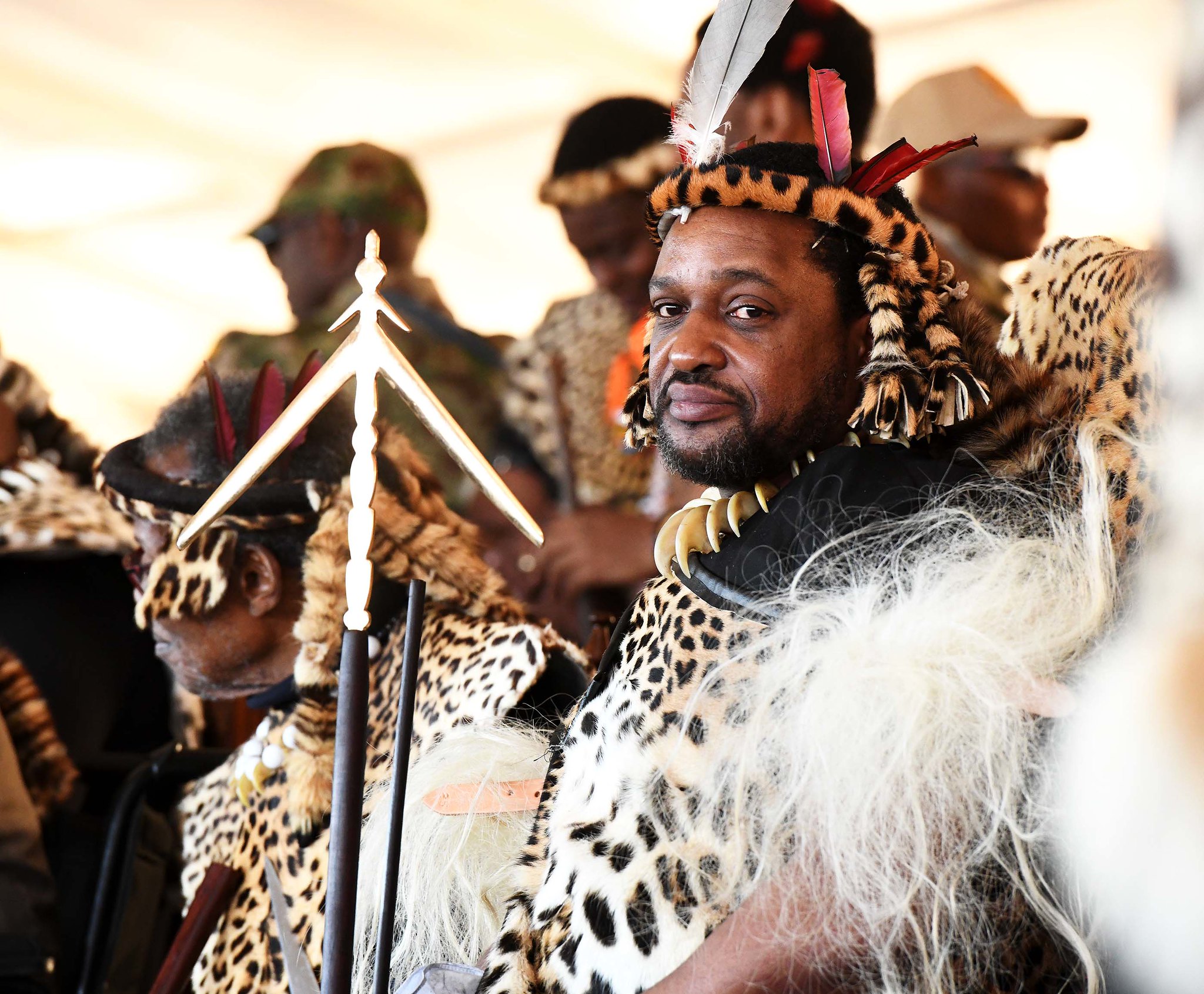
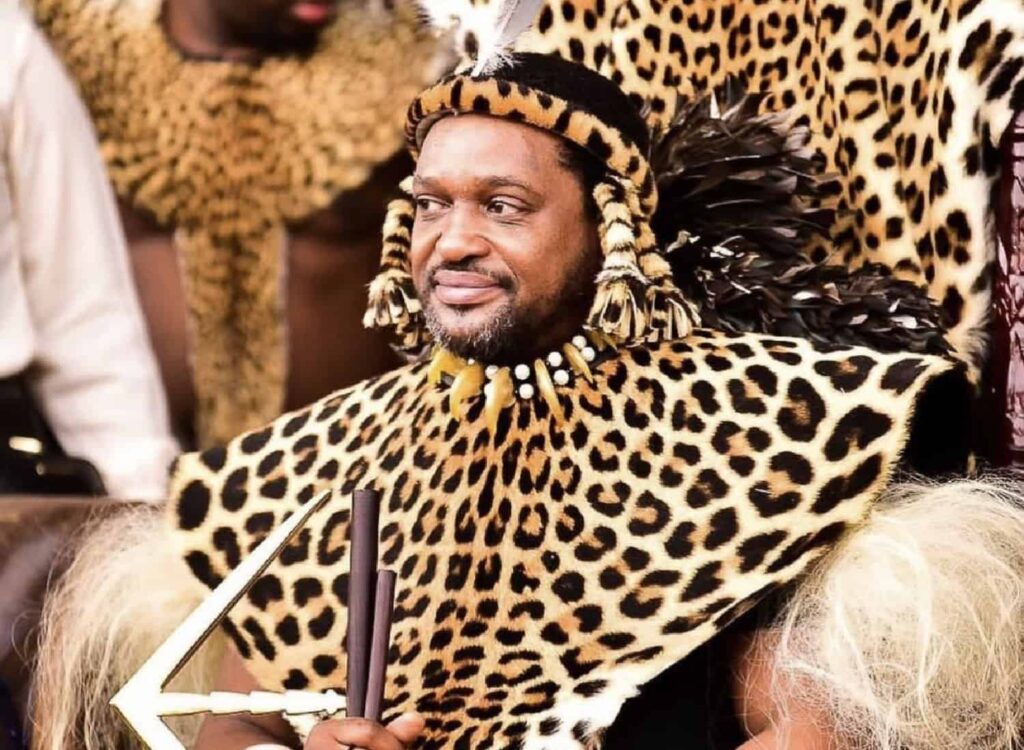
In the heart of South Africa’s vibrant cultural tapestry, a grand event stirs excitement across the Zulu people. King Misuzulu kaZwelithini, the revered leader of the Zulu nation, will soon wed his wife, Queen Nomzamo Myeni, in a traditional ceremony that honors ancient customs. This union isn’t just a personal milestone; it stands as a beacon of strength for the monarchy, drawing eyes from every corner of KwaZulu-Natal and beyond. As drums beat and elders gather, you can feel the pulse of history quicken. What makes this wedding so special? It ties the threads of tradition to the future, ensuring the Zulu throne remains firm amid modern changes.
For more related content, Visit: https://newzclub.online/motion-of-no-confidence-against-johannesburg-mayor-morero/
The Significance of the Royal Union in Zulu Tradition
The traditional wedding of King Misuzulu to Queen Nomzamo Myeni goes deep into Zulu roots. It reinforces the king’s role as a guardian of culture. Such events remind everyone of the bonds that hold the nation together.
Understanding the Umemulo and Traditional Marriages
Zulu traditions set this ceremony apart from quick civil weddings or church vows. The umemulo rite marks a young woman’s step into adulthood, but here it blends with royal marriage customs like the umembeso, where families exchange gifts to seal the bond. This process isn’t rushed; it follows strict rules to show respect for ancestors and ensure harmony.
In Zulu kingship, these rites matter for succession. They confirm the queen’s place beside the king, helping pass down leadership without doubt. Without this formal step, the royal line could face questions, just as past disputes have shown. Queen Nomzamo’s ceremony will highlight her as a true partner in guiding the Zulu people forward.
Think of it like building a sturdy kraal—each ritual adds a layer of trust and stability. Families watch closely, knowing this union strengthens the whole community.
Historical Precedents for Royal Marriages
Past Zulu kings often used weddings to build alliances between clans. King Shaka, the great unifier, wed to secure loyalty from rival groups, much like how these events still work today. His unions helped forge a powerful kingdom from scattered tribes.
Later monarchs, such as King Cetshwayo, faced British forces but held firm through such traditions. Their queens played key roles in daily life and politics, advising on matters big and small. Custom demands a queen consort meet high standards, like proving her lineage ties to respected families.
- Key examples include:
- King Goodwill Zwelithini, Misuzulu’s father, who had multiple wives in line with tradition, each adding to royal prestige.
- Ceremonies that involved cattle lobola, symbolizing wealth and commitment.
These precedents show why King Misuzulu’s traditional wedding matters now. It echoes those steps, proving the monarchy’s enduring power.
Profiling the Royal Couple: King Misuzulu and Queen Nomzamo
Meet the pair at the center of this buzz: King Misuzulu and Queen Nomzamo Myeni. Their story blends personal love with public duty. You might wonder how they balance it all—let’s take a closer look.
The Reign of King Misuzulu kaZwelithini
King Misuzulu took the throne in 2021 after his father, King Goodwill Zwelithini, passed away. Early days brought tough fights over who should rule, with family members challenging his claim in courts. Despite the noise, he stepped up, leading with a focus on unity and Zulu pride.
His rule has seen efforts to revive cultural practices, like youth programs that teach traditional dances and history. The wedding to Queen Nomzamo adds a layer of calm, signaling that disputes are behind them. It helps him lead with full support from elders and the public.
Challenges persist, such as land rights and economic issues in rural areas. Yet, Misuzulu’s commitment shines through events like this, drawing people closer to their heritage.
Queen Nomzamo Myeni: Her Background and Role
Queen Nomzamo hails from a respected family in KwaZulu-Natal, with ties to local leaders that boost her standing. She met Misuzulu years ago, and their bond grew amid royal life. Publicly, she’s known for quiet strength, often seen at community events supporting women’s causes.
As queen, her duties will expand after the ceremony. She’ll advise on family matters, host gatherings, and represent Zulu women in national talks. Her role ensures the royal household runs smooth, much like a steady hand on the wheel of a speeding cart.
- Her key contributions include:
- Leading charity drives for education in townships.
- Promoting Zulu crafts to keep artisans in work.
This formal recognition cements her spot, bringing stability to the throne and inspiring young Zulu women everywhere.
Ceremony Logistics and Cultural Protocol
Planning a royal Zulu wedding takes care and time. Details emerge slowly to honor privacy, but hints point to a event full of color and chant. Get ready for a spectacle that blends old ways with shared joy.
Venue, Dates, and Guest Observances
The ceremony likely heads to eNyokeni Palace in Nongoma, a historic spot tied to Zulu royalty. Dates remain under wraps, but fall or spring often suit these outdoor rites, avoiding heavy rains. Expect a multi-day affair, starting with family prep and ending in public celebration.
Guests follow strict rules. Only invited clan heads, traditional prime ministers, and select officials attend the inner circle. Broader crowds might watch from afar, respecting the sacred space.
- Protocol highlights:
- Women in colorful beadwork and head wraps.
- Men in animal skins and spears, nodding to warrior roots.
- No phones inside to keep the focus pure.
Provincial leaders from KwaZulu-Natal will join, showing respect for the king’s place in society.
Traditional Rituals and Symbolism
Rituals form the heart of the wedding. It kicks off with the umembeso, where the king’s family offers gifts like blankets and cattle to Nomzamo’s side. Elders bless the couple, calling on ancestors for a fruitful life.
Praise singers, or izibongo, will recite lineages, their voices rising like thunder. Attire dazzles— the king in leopard print, the queen in intricate gold threads symbolizing fertility and strength. A key moment involves sharing umqombothi, a sorghum beer, to toast the union.
These acts carry deep meaning. They ward off bad luck and invite prosperity, much like planting seeds in rich soil. The whole process ensures the marriage aligns with Zulu values of respect and community.
Public and Political Implications of the Wedding
This wedding ripples far beyond the palace walls. It touches everyday Zulu folks and even national leaders. How does one event pull so many threads together? Simple—it speaks to identity and hope.
Strengthening Unity Within the Zulu Nation
Zulu people span cities and farms, from Durban streets to rural hills. Events like King Misuzulu’s traditional wedding draw them in, fostering a sense of belonging. Families gather around radios or TVs, sharing stories of pride.
It heals old rifts from succession battles, reminding everyone of shared roots. Youth, facing job woes and urban shifts, see the ceremony as a call to hold onto culture. Stats show over 10 million Zulus in South Africa, and such moments boost morale across that vast group.
Picture a big family reunion—it mends fences and sparks laughter. This union does the same on a grand scale, knitting the nation tighter.
Conclusion: A New Chapter for the Zulu Throne
King Misuzulu’s traditional wedding to Queen Nomzamo Myeni marks a bright turn for the Zulu monarchy. It honors age-old customs while tackling modern needs, from family stability to cultural pride. This union quiets old doubts and opens doors to a stronger future.
Key points stand out: the rituals’ deep meaning, the couple’s vital roles, and the event’s power to unite. As the Zulu nation watches, it preserves a heritage that spans centuries. What a time to celebrate—stay tuned for photos and stories from the big day, and think about how your own traditions keep you grounded.
About the Author