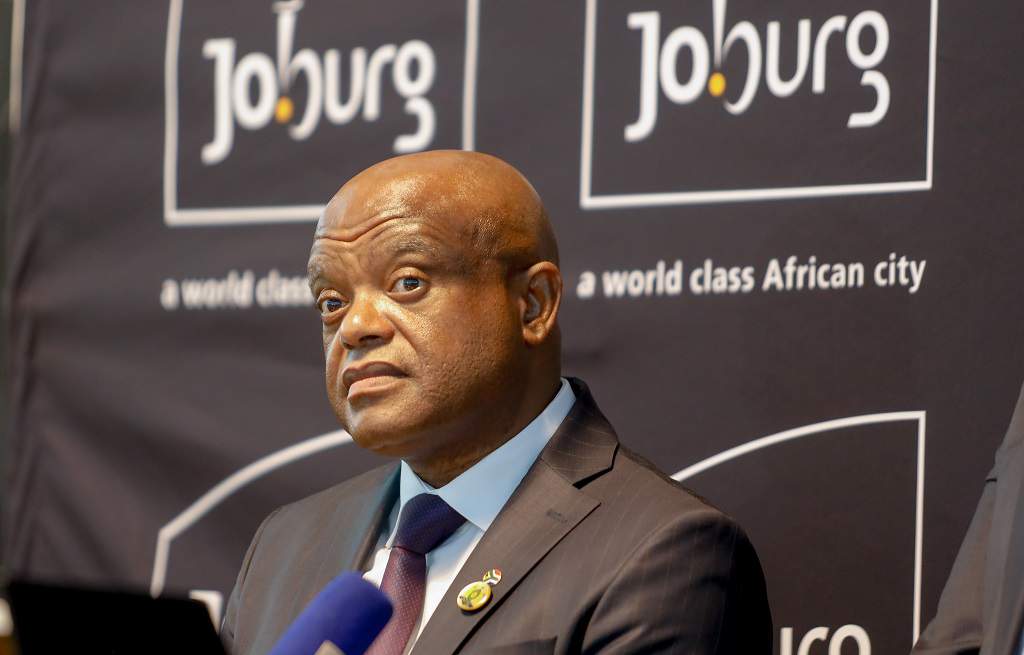
Johannesburg buzzes with tension as a bold move shakes up city hall. A group of council members has filed a motion of no confidence against Mayor Dada Morero. This step targets his leadership and landed right in the hands of Council Speaker Arnolds. Morero, a key figure from the ANC, took office amid hopes for steady progress in South Africa’s biggest city. Now, this challenge highlights cracks in the local power setup. Residents watch closely, knowing it could disrupt daily life from pothole fixes to water supply.
The city’s multiparty council relies on shaky alliances. ANC holds the top spot, but opposition parties like the DA and smaller groups keep things on edge. This motion adds fuel to ongoing disputes over budgets and services. It promises weeks of heated talks and votes that might reshape who runs Johannesburg.
Short-term worries hit hard. City services face delays as leaders focus on politics over potholes. Budget talks stall, leaving funds for roads and lights in limbo. You feel this uncertainty every time a truck skips your street or lights flicker out.
For more related content, Visit: https://newzclub.online/mkhwanazi-face-r10-million-assault-lawsuit/
Section 1: Anatomy of the No Confidence Motion
Decoding the Formal Submission to Speaker Arnolds
The process starts with a clear hand-off. Council rules demand the motion go straight to the speaker for review. Speaker Arnolds checks if it meets basic standards, like signatures from enough members. This ensures no one skips steps in the push to oust the mayor.
Once filed, Arnolds must act fast. He notifies all council members and sets a debate date. Legal steps follow national and local guidelines to keep things fair. Without this order, the whole effort falls apart.
Think of it as a referee call in a tight game. Arnolds’ role stays neutral, but his choices shape the play. Recent filings show similar moves took about two weeks to reach the floor.
Grounds Cited for Removing Mayor Morero
Critics point to service delivery woes first. They claim Morero’s team failed to fix aging water pipes, leaving neighborhoods dry for days. Reports from city audits back this up with data on rising complaints.
Financial slip-ups come next. Opposition says budget overruns drained funds meant for public transport upgrades. Over the past year, audits flagged irregular spending on contracts that didn’t deliver.
Coalition rifts seal the deal. Partners accuse Morero of ignoring shared goals, leading to stalled projects. These charges build from public records, not rumors, pushing for a leadership swap.
- Water shortages affected over 200,000 homes last summer.
- Transport delays cost the city millions in lost productivity.
- Audit findings show a 15% jump in mismanaged funds since Morero’s start.
Procedural Timeline and Legal Benchmarks
Submission kicks off a strict clock. Rules give seven days for the speaker to confirm validity. Then, another 14 days max before the council votes.
Morero gets notice to prepare his defense. He can speak during debate, backed by his party. National laws, like the Municipal Structures Act, set these bars to avoid chaos.
Delays happen if disputes arise over wording. But benchmarks demand quick action. Past cases in other cities wrapped up in under a month, keeping governance on track.
This timeline keeps pressure high. It forces quick choices without endless stalls. You see how tight rules prevent total gridlock.
Section 2: Political Forces Behind the Challenge
Identifying the Parties Driving the Motion
The DA leads the charge, with help from ActionSA and independents. They submitted the motion after months of clashes. Their goal? Force accountability on broken promises.
Smaller parties join in, tired of ANC dominance. EFF sits on the fence, but their votes could tip scales. Motivations run deep, from lost seats to voter anger over slow changes.
This bloc forms a loose alliance. United by frustration, they aim to shift power. Public statements from DA leaders call it a stand for better days.
Coalition Fractures and Realignment
Johannesburg’s council thrives on deals, but they crack easy. ANC’s slim majority depends on side pacts that now fray. Morero’s choices, like budget picks, alienated key allies.
Shifts happen fast. One party pulls support, and the whole setup wobbles. Recent talks show realignments brewing, with some eyeing new ties post-vote.
These breaks mirror national trends. Local fights often preview bigger battles. For now, they leave the city in a bind, waiting for clear lines.
The Role of the Council Speaker, Arnolds
Arnolds holds the gavel, deciding when debates start. His job demands fairness; he can’t favor one side. Rules bind him to process over politics.
He certifies motions and runs sessions. If tempers flare, he steps in to cool things. Impartiality builds trust, even in rough times.
Past speakers faced heat for close calls. Arnolds treads careful, sticking to order. His moves will echo in how the vote plays out.
Section 3: Impact Assessment on Johannesburg Service Delivery
Evaluating Performance Under the Morero Administration
Morero promised quick wins on basics like roads and power. Yet, backlog grows. City data shows over 5,000 km of potholed streets unrepaired.
Energy woes persist. Load shedding hits harder here, with faulty substations lagging fixes. Critics use these stats to question his grip.
Waste pickup falters too. Piles build in townships, drawing flies and frustration. Metrics from monthly reports paint a tough picture under his watch.
Critical Service Delivery Flashpoints
Recall the Hillbrow water crisis last winter. Pipes burst, leaving blocks parched for weeks. Teams arrived late, blaming budget shortfalls tied to Morero’s plans.
Soweto’s power outages dragged on through holidays. Residents lit candles while grid upgrades stalled. This sparked protests that fed into the motion talk.
Garbage strikes in the east rand piled trash high. Delays cost health risks and cleanup bills. Each event chips at public faith in city hall.
These spots show real pain. They turn policy gripes into street-level anger. You can’t ignore how leadership ties to your tap or trash bin.
Economic Confidence and Investor Perception
Instability scares off cash. Businesses eye Johannesburg for deals, but votes like this signal risk. A recent survey noted a 10% dip in investor interest amid council fights.
Local shops suffer from service gaps. No lights mean lost sales at night. International firms pause expansions, waiting for steady hands.
This ripple hits jobs. Factories delay hires when roads crumble. The motion amps up doubts, pushing for quick resolution to rebuild trust.
Section 4: The Path to a Council Vote and Potential Outcomes
Navigating the Council Chamber Debate
Debate opens with speakers from each side. Proponents get 30 minutes to lay out charges. Morero’s team counters with equal time.
Questions fly next. Members grill points, but time limits keep it moving. Party whips enforce lines, though rebels add spice.
The chamber fills with cheers and jeers. Rules curb chaos, but passion runs hot. This stage sets the vote’s tone.
Scenario A: Motion Fails to Gain Necessary Majority
Defeat hands Morero a win. His base rallies, boosting his clout. Opposition licks wounds, facing internal heat for the push.
City work resumes, but scars linger. Trust dips among allies, hinting at future fights. Morero pushes reforms to quiet critics.
Yet, close calls weaken him long-term. Voters note the divide, pressuring all sides. Stability returns, but on shaky ground.
Scenario B: Motion Succeeds and Mayor Morero is Removed
Success triggers quick change. Council picks an interim leader from the top vote-getter. This buys time for a full election.
Admin shifts focus to basics. New faces aim to mend ties and fix backlogs. Services get a reset, though transitions snag.
Longer term, it opens doors for fresh coalitions. Power realigns, promising or peril depending on picks. Johannesburg enters a new chapter, eyes wide.
About the Author