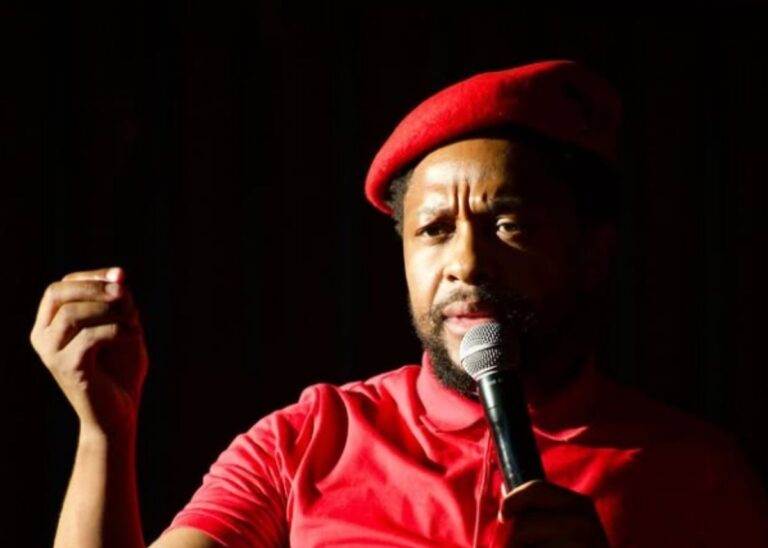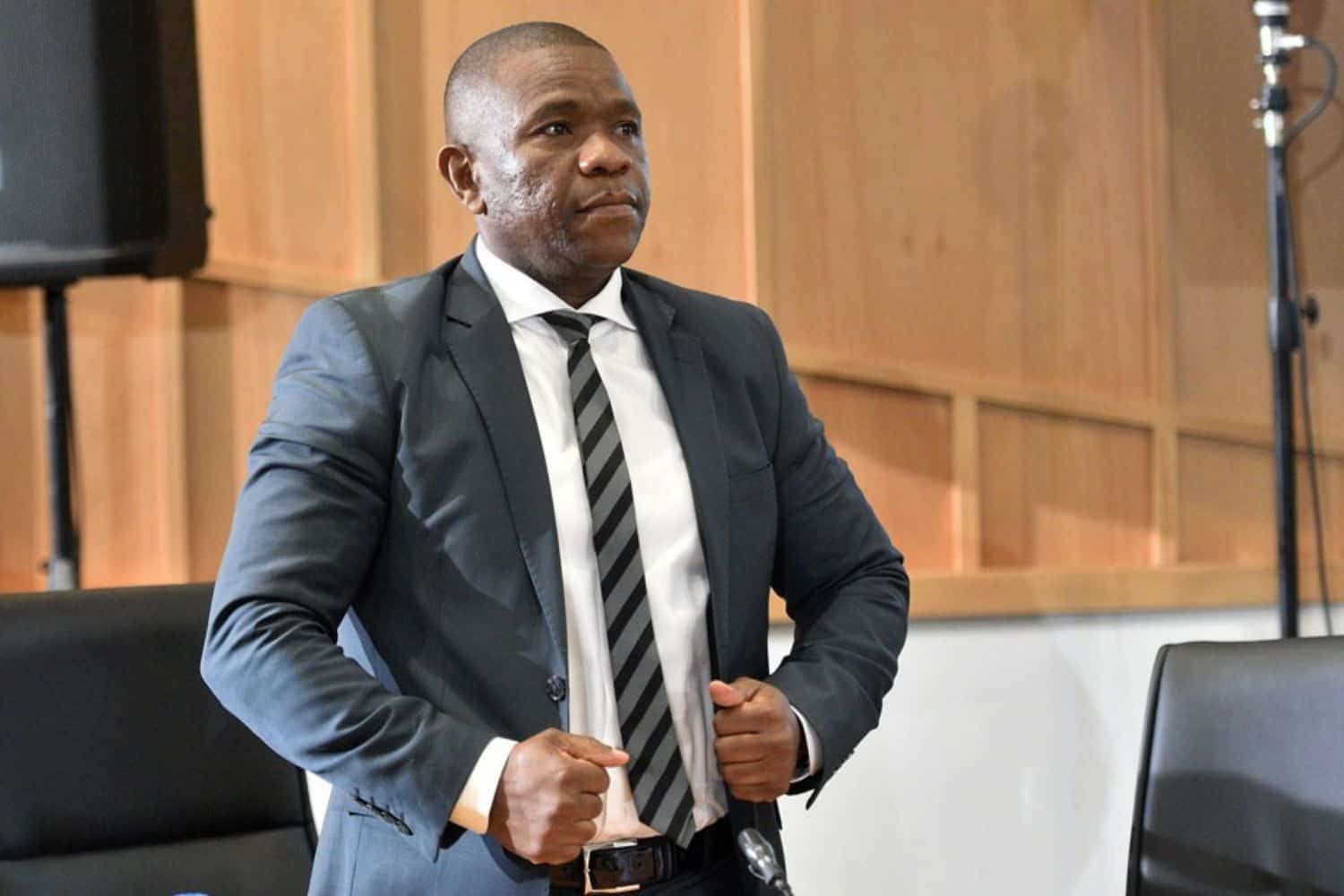
A shocking lawsuit rocks the KwaZulu-Natal police force. The provincial commissioner, Lt-Gen. Nhlanhla Mkhwanazi, and his team now face a R10 million claim over an alleged brutal assault. This case spotlights deep issues in law enforcement, where those meant to protect might harm instead. You might wonder: how does one incident expose cracks in an entire system? Let’s break it down step by step.

For more related content, Visit: https://newzclub.online/police-minister-senzo-mchunu-sharing-his-side-before-the-ad-hoc-committee-meeting/
The Allegations: Details Surrounding the R10 Million Claim
The lawsuit stems from a violent clash that left one person badly hurt. Reports say police officers under Commissioner Mkhwanazi’s watch used excessive force during an arrest in KZN. The victim claims lasting injuries, both physical and emotional, leading to this huge damages request.
Unpacking the Plaintiff’s Case
The plaintiff argues the assault caused severe pain and high medical bills. They seek R10 million to cover lost wages, therapy sessions, and future care needs. Court papers describe the incident as a clear abuse of power, with no justification for the force used. This isn’t just about money—it’s a cry for justice against those sworn to serve. Key evidence includes witness accounts and medical reports that paint a grim picture.
Details emerge from public court filings. The alleged beating happened during a routine stop that turned ugly. Officers reportedly punched and kicked the man, ignoring his pleas. Such claims demand a fair hearing to sort fact from fiction.
Key Figures Named in the Litigation
Lt-Gen. Nhlanhla Mkhwanazi leads the KZN police as provincial commissioner. His subordinates, including station commanders and patrol officers, face direct blame too. Vicarious liability ties bosses to their team’s actions, even if they weren’t there. You see, if leaders fail to train or oversee properly, they share the heat.
This principle holds senior officers accountable for everyday mishaps. Mkhwanazi’s role means he must ensure his force follows rules. Naming him shows how high the stakes climb in these suits.
Legal Framework for Assault Claims Against State Officials
South Africa’s Constitution protects against unfair treatment by officials. The South African Police Service Act sets clear guidelines on force use. Delict laws let citizens sue the state for wrongs like assault.
These rules make it possible to hold police feet to the fire. Claims must prove harm and link it to official duties. In KZN, such cases often test the balance between authority and rights.
Courts look at evidence closely. They weigh if actions were reasonable or reckless. This framework keeps the system honest.
Accountability and Internal Police Procedures
When allegations hit, the police can’t just brush them off. Internal checks kick in to probe what went wrong. This lawsuit pushes for real answers from the top down.
Internal Investigations and Disciplinary Steps
The South African Police Service (SAPS) launched its own review after the claims surfaced. They aim to check if rules were broken during the incident. The Independent Police Investigative Directorate (IPID) steps in for serious matters like excessive force.
IPID’s role is key—they report to no one in the force. Their findings could lead to charges or firings. So far, no public updates on outcomes, but pressure mounts for quick action.
Discipline might include suspensions or retraining. Honest officers watch closely, hoping bad apples get weeded out.
Precedent for High-Value Claims Against SAPS
Past cases show SAPS has paid out big for misconduct. In one KZN incident, a family won millions after a wrongful shooting. Nationally, settlements for assault claims topped R50 million last year alone.
These payouts signal a trend: costs rise as trust falls. Courts award based on harm proven. For the R10 million here, similar verdicts could set a tough example.
Litigation against police grows each year. From 2018 to 2022, claims jumped by 30%, per government reports. This keeps the pressure on for better conduct.
Impact on Community Trust and Policing Morale
Public faith in KZN cops takes a hit with every headline like this. Folks hesitate to report crimes, fearing rough treatment. In areas plagued by violence, trust is gold—lose it, and safety suffers.
Good officers feel the drag too. Morale dips when scandals taint the badge. Yet, some see it as a push for cleaner ranks.
You can imagine the chats at community meetings. Questions fly: “Can we rely on them now?”
Financial and Administrative Burden on the Provincial Office
A win for the plaintiff means a R10 million drain from taxpayer funds. SAPS budgets already stretch thin for patrols and gear. This payout could cut training or tech upgrades.
Legal fights eat time too. Lawyers and admins shift from crime-fighting to paperwork. In KZN, where gangs roam free, that’s a real loss.
Long-term, insurance rates for the force might climb. It all circles back to smarter spending on prevention.
Calls for Systemic Reform
Incidents like this spark demands for change. Better training on force could stop repeats. Oversight bodies need more teeth to catch issues early.
Groups push for body cams in KZN patrols. Policies on arrests should stress de-escalation. Without reform, lawsuits will keep coming.
Think of it like fixing a leaky roof—patch one spot, and another springs. Broader fixes build lasting trust.
Navigating Legal Due Process and Potential Outcomes
Civil suits move slow but steady in South Africa. This R10 million case follows standard paths. What twists await?
The Civil Litigation Timeline
First comes filing and summons. Then discovery, where both sides swap evidence. Pre-trial talks try to settle; if not, it heads to hearing.
Trials can drag months or years. Judges review facts in Durban High Court, likely. Delays frustrate everyone involved.
Witnesses testify under oath. Experts weigh in on injuries. The whole process tests patience.
Potential Resolutions: Settlement vs. Court Judgment
Settlements happen in most big claims—SAPS often cuts deals to avoid trials. A quiet payout saves face and cash on fees. Here, R10 million might shrink in talks.
Full trials mean public airing of dirty laundry. Evidence gets grilled, and verdicts stick. Winners claim full damages; losers appeal.
Which way? History says settlement odds run high. But tough cases push to the end.
Expert Insight: Legal Analysis of Police Liability
In assault suits against cops, plaintiffs must show direct harm from actions. Causation links the beating to injuries clearly. Damages get tallied via bills and lost income proofs.
Lawyers stress neutral grounds—no bias assumed. State defenses claim justified force in arrests. Success hinges on solid proof, like videos or marks.
General tips: Gather records fast. Consult pros early. These steps boost chances in fights against big foes.
Conclusion: Upholding the Rule of Law and Police Integrity
This R10 million lawsuit against KZN Provincial Commissioner Mkhwanazi and his subordinates highlights tough realities in policing. Allegations of assault demand swift accountability to rebuild trust. From internal probes to court battles, the process ensures no one stands above the law.
Key points stand out: vicarious liability ties leaders to their teams, past payouts warn of rising costs, and reforms could prevent future pain. Communities watch closely, hoping for fair outcomes. As the case unfolds, it reminds us that integrity defines true service.
Stay informed on KZN police news—your voice matters in pushing for change. What do you think this means for local safety? Share your views below.
About the Author