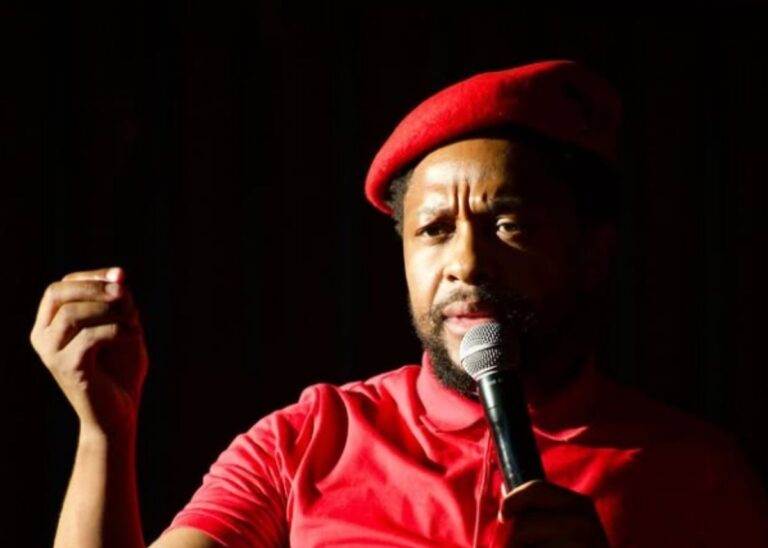
Imagine walking through your neighborhood at night, knowing that local watchers have your back. That’s the story of Amapanyaza in Gauteng for years. These community patrollers stepped up when crime felt too close to home. But now, Premier Panyaza Lesufi wants big changes. He’s disbanding the old group and building a new, professional law enforcement unit. This shift aims to fix problems like loose rules and boost real safety. We’ll look at why this matters, how it’s happening, and what it means for you in Gauteng.
The Legacy and Necessity of Amapanyaza
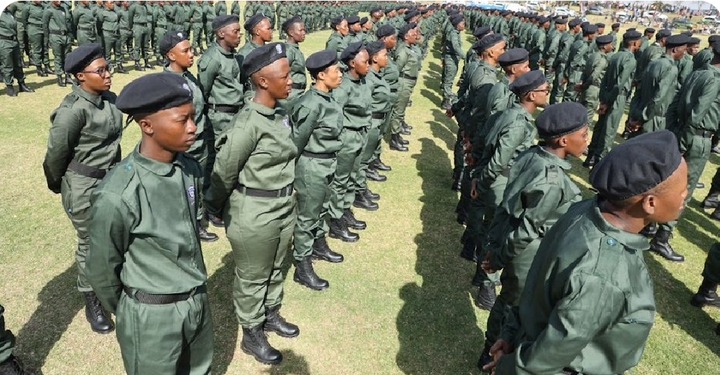
Amapanyaza started as a grassroots effort in Gauteng. They filled gaps left by busy police forces. Locals trusted them because they knew the streets and faces.
Their work cut down on small crimes in townships. Yet, issues popped up. Without proper training, some actions led to clashes or oversteps. Premier Lesufi sees this as a chance to build something stronger.
Communities relied on them for quick alerts on break-ins or fights. This trust helped, but it wasn’t enough for long-term fixes. The disbanding marks the end of that raw, informal help.
Premier Lesufi’s Vision for Enhanced Public Safety
Premier Lesufi pushes for safety that matches South Africa’s laws. He wants patrollers who follow strict rules, not just good intentions. This vision ties into bigger goals for Gauteng.
Crime stats show high rates in urban spots. His plan cuts that by making enforcement reliable. No more guesswork—think trained teams with clear duties.
You can see his drive in speeches about unity and order. He believes professional units will link better with police. This could lower fear and build calm streets.
The Formal Disbandment: Legal and Operational Implications
Disbanding Amapanyaza follows key laws in South Africa. The Community Safety Act guides such moves in provinces. It demands structures that fit national policing standards.
Operationally, this means winding down old patrols right away. Members stop informal duties to avoid confusion. Legal steps include notices and timelines set by the government.
The implications hit hard on daily safety. Short gaps might occur, but planning aims to fill them fast. This formal end clears the path for a fresh start.
The Decision to Disband: Addressing Accountability Concerns
Leaders cited poor vetting as a main worry. Without checks, some members had unclear backgrounds. This raised risks of misuse in patrols.
Conflicts arose between Amapanyaza and official police. Overlaps led to arguments on who handles what. Premier Lesufi called for one clear system to end that mess.
Public reports highlighted training lacks. Actions sometimes broke human rights rules. Disbanding fixes these by starting clean.
Regulatory Frameworks Guiding the Transition
South Africa’s Constitution backs safe, rights-based policing. The Gauteng Provincial Safety Plan adds local rules for community groups. These frameworks push for vetted, trained units.
Transition rules come from the Safety Department. They outline how to shift assets and people. No shortcuts—everything must align with law.
This setup prevents chaos. It ensures the new unit follows protocols from day one. You get safety without legal headaches.
Introducing the New Professional Law Enforcement Unit
The new unit steps up as a formal arm of Gauteng safety. It focuses on prevention and quick response. Premier Lesufi names it to honor community roots while adding pro edges.
Core duties include patrolling high-crime zones and aiding SAPS. No more solo acts—it’s team work with officials. This integration promises faster help for you.
Geographic reach covers all Gauteng townships and cities. Think eyes on streets from Johannesburg to Tshwane. The goal? Safer daily life for families.
Defining the Mandate of the Successor Body
This body handles visible policing in communities. It reports crimes and gathers local tips for police. Scope stays local, not national hunts.
Integration with SAPS means shared radios and data. Municipal ties add support for traffic or events. It’s a network, not an island.
You benefit from clear roles. No confusion—who does what? This mandate builds on Amapanyaza’s good parts with pro polish.
Resource Allocation and Equipment Upgrades
Old Amapanyaza had basic gear like whistles. Now, budgets cover vests, radios, and bikes. Premier Lesufi allocates funds from safety votes.
Vehicles join the mix for quick moves. Access to police databases helps spot risks. Tech like apps tracks patrols in real time.
Upgrades mean better response. Imagine a unit that arrives prepared, not just willing. This investment pays off in lower crime.
Impact Assessment: Community Perception and Crime Reduction Potential
People in Gauteng watch this closely. Early polls show mixed views—some miss the old familiarity. But many welcome the pro touch.
Crime drop potential looks good. Similar shifts elsewhere cut thefts by 20%. Gauteng could see that if metrics hold.
Your neighborhood might feel safer soon. Perception shifts with visible changes. Trust grows when actions match words.
Community Trust Rebuilding Post-Restructuring
Start with open doors. The unit hosts meet-and-greets to share faces. Locals tip off trusted patrols again.
Stick to rules—no shortcuts. This rebuilds faith step by step. Former members who join bring old ties.
Strategies include youth programs. Teach safety basics to kids. Bonds form, trust sticks.
Real-World Comparisons to Similar Municipal Safety Initiatives
In the Western Cape, pro community units cut violence by 15% in two years. They integrated like Gauteng plans.
KwaZulu-Natal tried something close. Training fixed early issues, leading to steady gains. Lessons apply here—vet hard, train well.
Internationally, U.S. neighborhood watches turned pro in cities like Chicago. Crime fell with better gear. Gauteng draws from these wins.
Navigating the Road Ahead: Challenges and Opportunities
Change brings bumps. Some ex-members resist vetting. Upskilling takes time and cash.
But opportunities shine. A pro unit could inspire other provinces. Safer Gauteng draws families and jobs.
Balance hurdles with plans. Oversight keeps it on track. The road leads to stronger safety.
Conclusion: A New Era for Gauteng’s Community Safety Strategy
Premier Panyaza Lesufi’s move disbands Amapanyaza to create a professional law enforcement unit. This transformation tackles old flaws like poor training and accountability. It promises standardized operations and better links with SAPS.
Key wins include vetted teams, modern gear, and clear metrics for success. Communities gain trust through engagement and quick responses. Challenges exist, but opportunities for safer streets outweigh them.
Gauteng steps into a brighter safety phase. Watch for lower crime and stronger bonds. Stay involved—your input shapes this new era. What do you think of the changes? Share in comments below.
About the Author