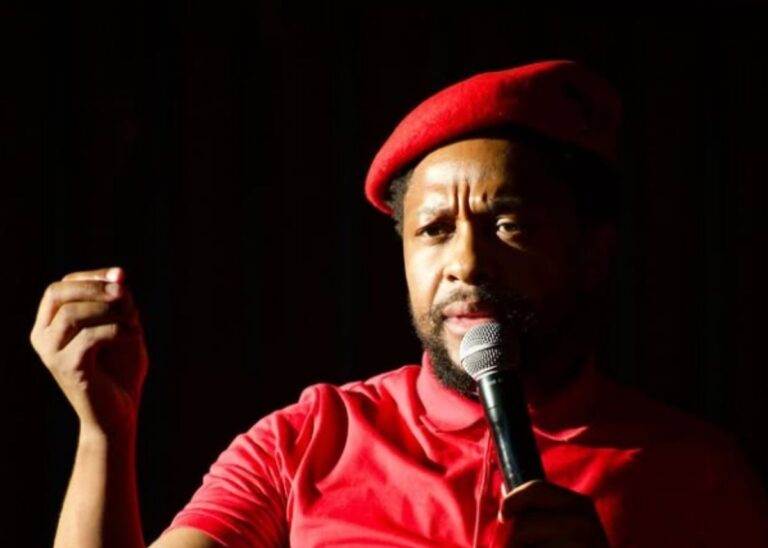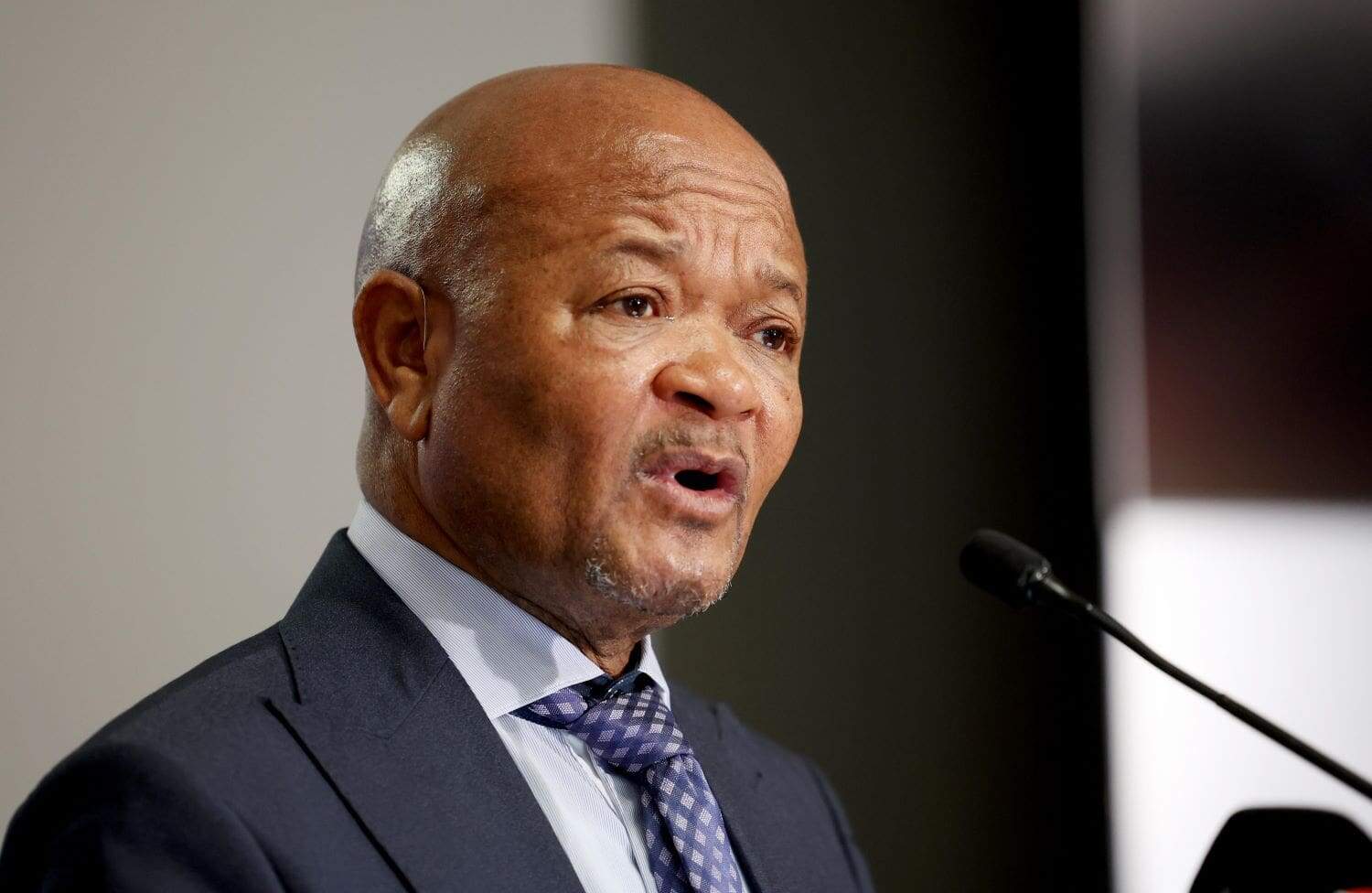
The nation holds its breath as Police Minister Senzo Mchunu prepares to speak tomorrow. Eyes from across South Africa fix on this key moment. Will his words calm the storm or fuel more doubt?
This testimony comes amid probes into police operations and rising crime worries. The Ad Hoc Committee formed to dig into these issues now calls Mchunu to explain his choices. His talk could shift how people see his leadership.
This piece breaks down what Mchunu might say. It looks at the big questions he faces and how he could frame his story. Readers get a clear view of the stakes in this high-pressure event.
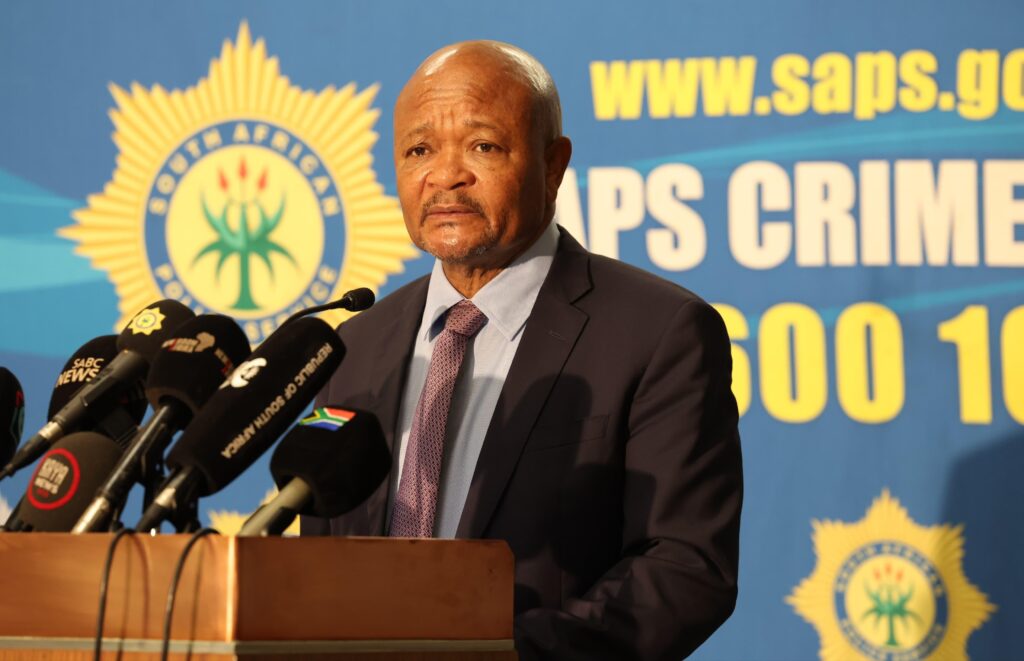
Understanding the Mandate and Gravity of the Ad Hoc Committee
This committee works like a spotlight on government actions. It pulls together facts fast to check on key problems. For Mchunu, it means facing tough questions head-on.
The Committee’s Composition and Scope of Inquiry
Members come from Parliament’s main parties. They follow rules set by the National Assembly. This group formed under Section 56 of the Constitution to look at police matters.
Their job covers recent reports on crime trends and police budget use. They aim to find out if leaders followed the law. Focus stays on events from the past year under Mchunu’s watch.
No one gets a free pass here. The terms make clear: check facts, hear from experts, and report back soon.
Previous Testimony and Points of Contention
Witnesses already shared views on slow police responses in townships. One report pointed to delays in handling farm attacks. Stats show a 5% jump in murders last year, per official crime data.
Leaders from unions talked about low morale in stations. They said equipment shortages hurt daily work. These points now wait for Mchunu to respond.
Doubts linger over how funds went to training programs. Some say results fell short of promises.
Legal Framework Governing Ministerial Accountability
South Africa’s Constitution demands leaders answer to Parliament. Section 92 says Cabinet members must stay accountable. The Ministerial Handbook sets rules for spending and decisions.
If issues arise, ministers must explain without delay. Courts can step in if rules break. This setup keeps power in check for all.
Mchunu knows these laws well. His prep likely centers on sticking to them in his talk.
Core Issues Expected in Senzo Mchunu’s Statement
Talk turns now to the heart of the matter. What hot topics will Mchunu tackle? These shape his chance to set the record straight.
Addressing Departmental Performance Metrics and Service Delivery Failures
Crime numbers paint a mixed picture. Robberies dropped in cities, but rural areas saw spikes. SAPS reports note 1.2 million cases logged in 2023.
Response times averaged 45 minutes in high-need spots. That’s too long for victims, experts say. Internal audits found gaps in patrol coverage.
Mchunu might point to new hires—over 10,000 officers added this year. He could stress efforts to fix these weak spots.
Clarity on High-Profile Operational Decisions
The choice to shift funds from old units grabbed headlines. One team for cyber crimes got cut back amid budget talks. Critics called it a risk to online safety.
Procurement deals for vehicles drew fire too. A deal worth R500 million faced delay claims. Mchunu needs to show it served public good.
These moves aimed at better focus, he may argue. Expect details on why they happened and what came next.
Internal Management and Disciplinary Actions Within SAPS Leadership
Tensions rose with reports of top brass clashes. Two generals faced probes for fund misuse last month. Outcomes? One got a warning, the other stepped down.
Mchunu pushed for ethics training in all ranks. Over 5,000 staff joined sessions on clear rules. This builds trust from the ground up.
He’ll likely defend his role in keeping order. Quick action shows commitment to clean leadership.
Crafting the Ministerial Narrative: Anticipated Defense Strategies
Mchunu won’t just react—he’ll push his own view. How will he turn defense into a plan forward? Let’s see the angles he might take.
Shifting Focus to Long-Term Strategy and Reform Agendas
Community watch groups got a boost under his lead. Plans call for apps to report crimes fast. This ties into his goal of safer streets by 2026.
Look for the White Paper on Policing. It outlines tech upgrades like body cams for officers. Readers should check SAPS sites for full docs.
These steps counter short-term gripes. They show a bigger picture of change.
Differentiating Political Interference from Executive Oversight
The police head runs day-to-day tasks, Mchunu might say. His job stays at policy level, not micromanaging. This line draws from the SAPS Act.
He oversees big shifts, like budget approvals. But ops stay free from party sway. Clear roles prevent mix-ups.
This defense could ease fears of meddling. It keeps focus on his guiding hand.
Public and Political Ramifications Following the Testimony
What happens next? His words could ripple wide. Outcomes touch everyone from voters to leaders.
Impact on Political Stability and Credibility
A strong show boosts Mchunu in Cabinet eyes. It ties to ANC goals for safe communities. Weak spots might spark calls for shifts.
His cred hinges on clear answers. Public trust in police—now at 55%—could sway with his talk.
Parties watch close. Success means steady ground ahead.
Committee Recommendations and Potential Further Action
The group might suggest more audits or training funds. If serious lapses show, referrals go to ethics watchdogs. Policy tweaks could follow, like new oversight rules.
Resignations? Rare, but pressure builds if facts sting. Reports land in weeks, setting the path.
Watch for votes on key points. They guide real change.
Stakeholder Reactions: Civil Society and Opposition Parties
NGOs like the Institute for Security Studies plan quick reviews. They push for victim voices in reforms. Expect praise or calls for more if gaps stay.
Opposition, from DA to EFF, preps sharp questions. They might term it a whitewash if answers dodge. Media amps up the noise.
Groups unite on basics: safer homes matter to all.
Conclusion: Weighing the Narrative Against Accountability Demands
Mchunu faces a tight balance—defend his work while owning flaws. The committee demands straight talk, no fluff. His story must match facts for real impact.
Key? He needs to nail transparency on crime fights. Show plans that deliver, not just words. This builds faith in the system.
Accountability keeps democracy strong. Tomorrow’s words could spark better policing for years. Stay tuned—what will Mchunu say? Share your thoughts below.
About the Author