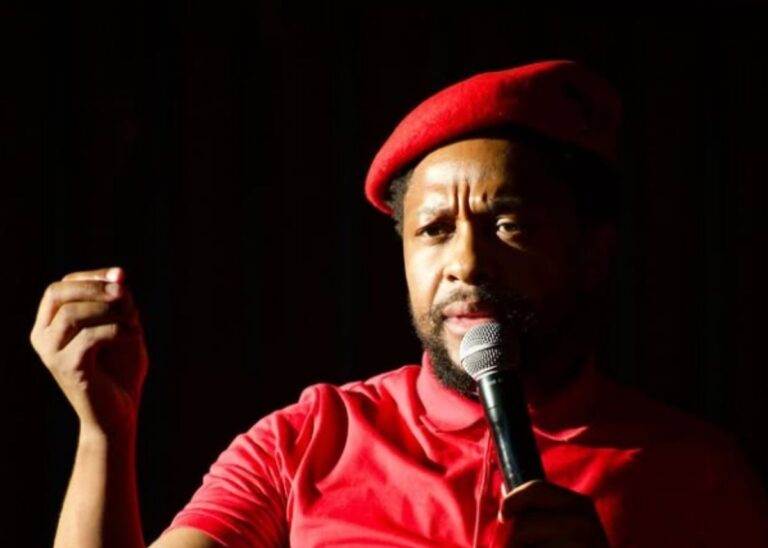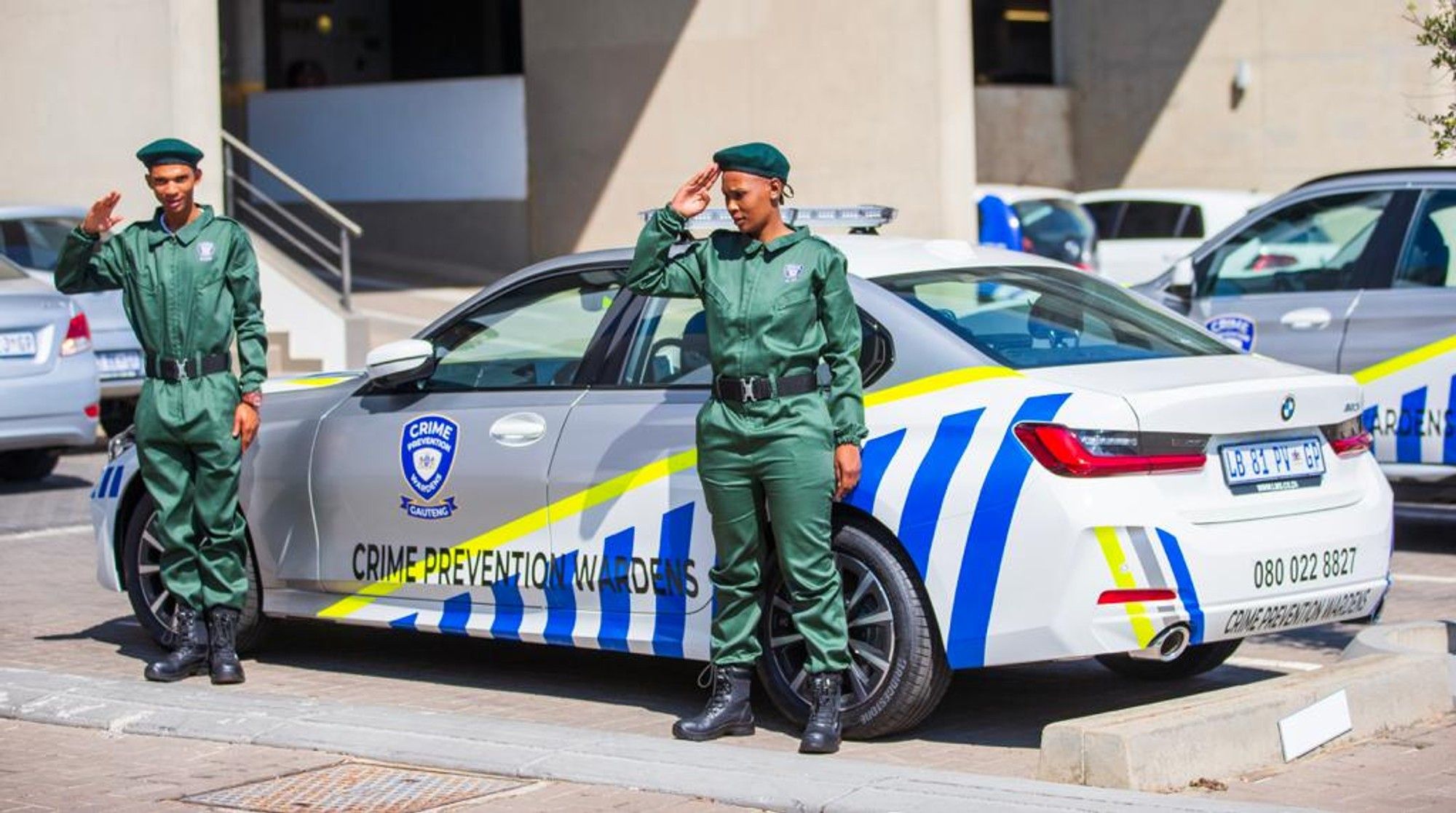
Imagine walking through a busy Johannesburg street at night, feeling a bit safer because of those blue-uniformed wardens on patrol. But what if those same wardens lack the legal right to be there? Lt Nhlanhla Mkhwanazi, a respected voice in South African policing, has sparked a heated debate by claiming that Gauteng’s Crime Prevention Wardens, called Amapanyaza, were set up without proper laws. This controversy raises big questions about safety and how government handles crime in places like Soweto and Pretoria. It touches on trust in local leaders and the fight against rising thefts and violence. In this piece, we explore Mkhwanazi’s bold statements, the background of the program, legal rules at play, and what it all means for communities. We’ll look closely at the Gauteng Amapanyaza unlawful establishment claims and the Lt Nhlanhla Mkhwanazi crime wardens controversy to help you understand the stakes.
Background on Gauteng Crime Prevention Wardens (Amapanyaza)
Origins and Purpose of the Amapanyaza Program
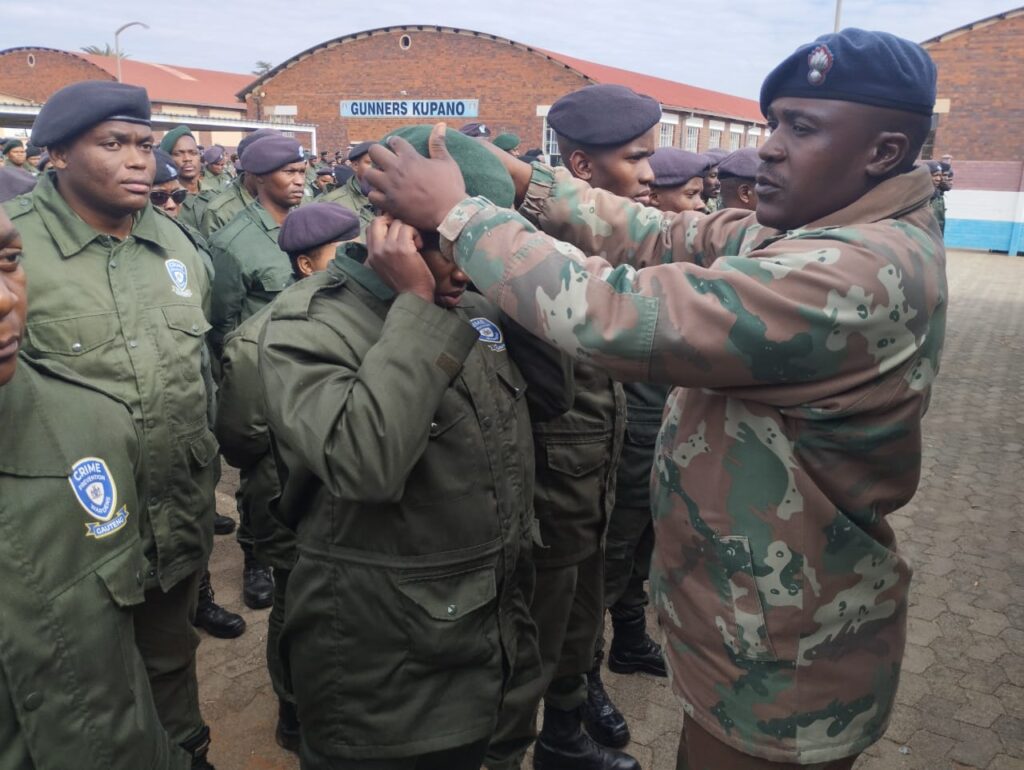
The Gauteng Provincial Government rolled out the Amapanyaza program in 2022 to tackle street crime head-on. Officials aimed to hire local folks from high-risk areas to patrol neighborhoods and back up the police. These wardens focus on spotting trouble early, like loitering gangs or suspicious cars, in spots such as townships around Johannesburg. Public speeches from provincial leaders at the launch highlighted how the initiative would ease the load on overworked cops. By 2023, hundreds of wardens hit the streets, funded through Gauteng’s budget for community safety. The goal? Build a safer province where residents feel protected without waiting for emergencies.
Lt Nhlanhla Mkhwanazi’s Profile and Expertise
Lt Nhlanhla Mkhwanazi stands out as a dedicated police officer with years in the force. He has spoken out often on fixing flaws in law enforcement across South Africa. From his time in uniform, he knows the ropes of street-level policing and higher-up decisions. Mkhwanazi pushes for changes that make systems fair and effective, drawing from real cases he’s handled. His words carry weight because he has seen corruption and errors up close. In talks and media spots, he stresses rules that protect both cops and citizens. This background makes his take on programs like Amapanyaza ring true to many listeners.
Initial Public Reactions to the Program
When Amapanyaza wardens first appeared, folks in crime-hit zones like Ekurhuleni cheered the extra eyes on the streets. Shop owners in townships reported fewer break-ins right after patrols started. Social media buzzed with stories of quick help during small disputes. Yet, not everyone jumped on board; some worried about untrained hands carrying sticks or radios. Parents in Soweto voiced fears over kids clashing with wardens. Overall, early feedback mixed hope with caution, as communities watched how the new team would fit in with regular police.
Lt Nhlanhla Mkhwanazi’s Key Assertions on Unlawful Establishment
Alleged Legal Violations in Program Creation
Mkhwanazi argues that the Amapanyaza setup skips key steps in South African law. He points out no clear act from Parliament or the province gives them power to act like officers. Without this, he says, the program bends rules on who can enforce laws. In public talks, like those on radio shows, Mkhwanazi called it a rush job that ignores checks and balances. He ties it to broader issues, such as how provinces can’t just create their own police without national okay. This claim fuels the Gauteng Amapanyaza unlawful establishment debate, urging a closer look at hasty government moves.
Evidence Presented by Mkhwanazi
To back his points, Mkhwanazi highlights missing papers from the approval process. He notes training logs that fall short of standards for armed roles. In one interview, he shared examples of wardens acting beyond their scope, like detaining people without warrants. These stories come from his network in policing circles. He also cites budget reports showing funds used without full audits. Such proof links to the Constitution’s call for clear rules in security matters. Mkhwanazi’s evidence paints a picture of a program built on shaky ground, inviting legal pushback.
Implications for Warden Powers and Operations
If Mkhwanazi’s views hold, Amapanyaza wardens might lose their right to stop or question suspects. Daily patrols in hotspots could grind to a halt amid court fights. Imagine a warden spotting a theft but unable to act—crime might spike in those gaps. Operations in areas like Tembisa would face confusion over who leads. This shakes up teamwork with the South African Police Service. Ultimately, it questions how safe Gauteng feels when frontline helpers operate in a gray zone.
Views from Government Officials and Opposition
Gauteng leaders defend Amapanyaza as a vital tool, citing quick hires to fill gaps. They point to executive powers for such programs in tough times. Opposition voices, like those in the DA, back Mkhwanazi, calling for audits to clear the air. Civil groups, such as Rights Watch, echo worries over untrained forces clashing with rights. In parliament sessions, debates heat up with calls for proof of legality. These clashing takes show a divided front on Gauteng’s crime fight.
Actionable Steps for Communities and Policymakers
You can report odd warden actions to IPID hotlines or local stations. Join CPF meetings to voice input on safety plans. Policymakers should draft clear rules fast to avoid shutdowns. Attend hearings in Pretoria for your say. Track news from official sites for updates. These actions empower you to shape Gauteng’s crime response.
Long-Term Viability of the Program
If laws tighten, Amapanyaza could thrive with full backing, cutting crime by 20% in key spots based on early data. Without fixes, it might fold, leaving gaps in patrols. Trends show successful models gain from legal tweaks. Picture a revamped version: trained, rule-bound, and trusted. The path ahead depends on quick, smart changes to keep streets safe.
About the Author