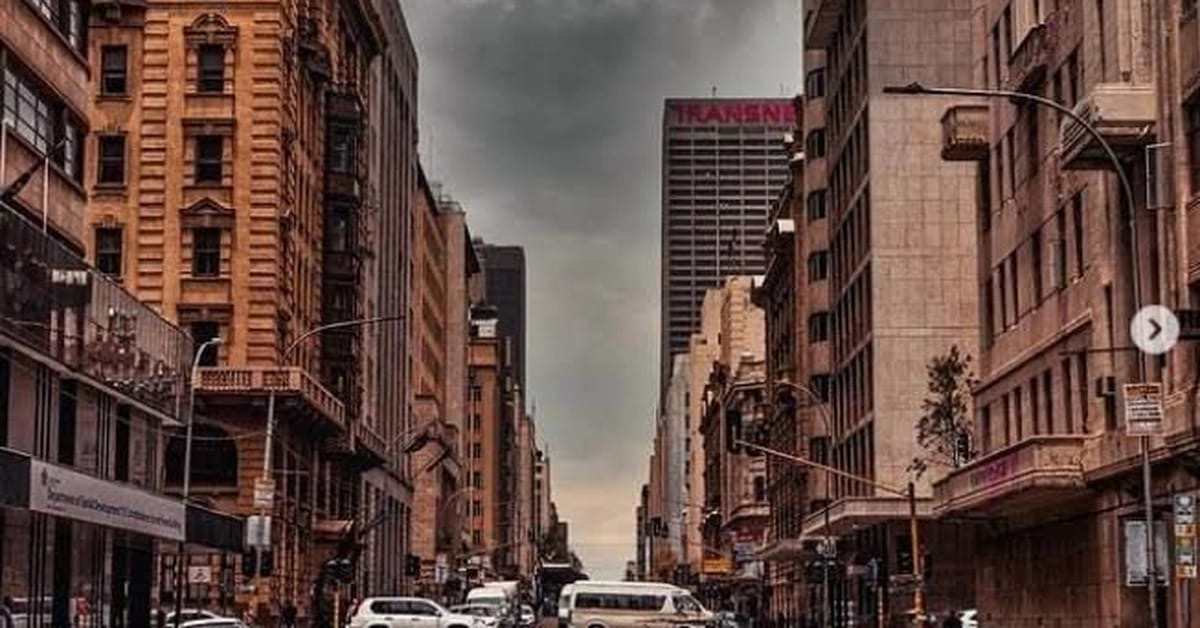
Johannesburg’s inner city has entered a new chapter in its long history with the official opening and renaming of one of its most iconic roads. Bree Street, which has for decades been a vital artery of Johannesburg central, has now been officially renamed and reopened as Lillian Ngoyi Street. The move, which forms part of the city’s wider efforts to honor struggle heroes and reclaim urban spaces, is both symbolic and practical, offering a fresh identity to one of Joburg’s busiest thoroughfares.
A bree street in History
For years, Bree Street has been a focal point of Johannesburg’s hustle and bustle. Running through the heart of the central business district (CBD), it has been home to shops, taxi ranks, traders, and thousands of commuters who pass through every day. The road has also been at the center of several challenges over the years, from overcrowding and congestion to tragic incidents such as the 2023 gas explosion that caused devastation along the street.
Despite these difficulties, Bree Street has remained a lifeline for residents, workers, and business owners. By renaming it to Lillian Ngoyi Street, the City of Johannesburg not only addresses the city’s historical legacy but also seeks to instill pride and remembrance in future generations.
Who Was Lillian Ngoyi?
Lillian Ngoyi was a formidable anti-apartheid activist and the first woman elected to the executive committee of the African National Congress (ANC). She is most remembered as one of the leaders of the 1956 Women’s March to the Union Buildings in Pretoria, where more than 20,000 women protested against apartheid’s oppressive pass laws.
Known as “Ma Ngoyi,” she was a fearless leader who faced arrest, harassment, and banning orders but remained unwavering in her pursuit of justice and equality. Renaming Bree Street after her is a powerful acknowledgment of her contribution to South Africa’s democracy and an effort to ensure that her legacy remains visible in the daily lives of ordinary citizens.
The Official Opening Ceremony bree street
The reopening and renaming ceremony was marked by a vibrant gathering of government officials, community leaders, business owners, and residents. The Johannesburg mayor, alongside representatives of the Gauteng provincial government, cut the ceremonial ribbon and unveiled new street signs bearing Lillian Ngoyi’s name.
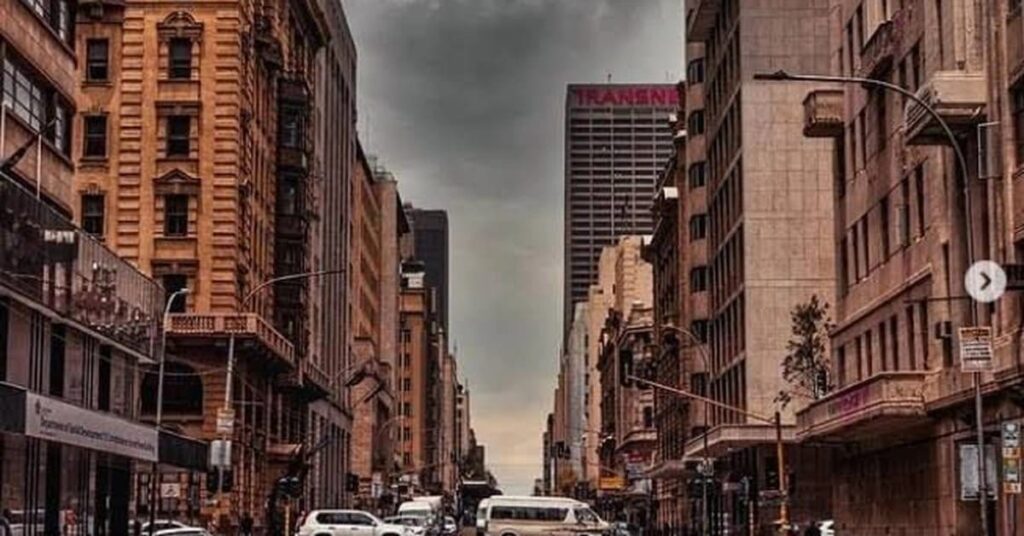
The event was more than just a formal gesture—it included cultural performances, speeches highlighting Ngoyi’s legacy, and calls for unity within the inner city. Taxi associations, local hawkers, and residents expressed relief that the street, which had faced partial closures and infrastructural challenges, is now fully open to the public under a new identity.
Infrastructure Revamps and Safety Upgrades
Beyond its renaming, bree street has undergone significant infrastructure improvements. Following the devastating gas explosion in July 2023 that damaged parts of the road and disrupted city services, repairs and safety checks have been a top priority.
The Johannesburg Roads Agency (JRA), working with city engineers, has rebuilt sections of the road, reinforced underground infrastructure, and introduced new safety measures. Street lighting has been improved, pedestrian pathways have been repaved, and clearer traffic management systems have been put in place to ease congestion.
Officials have emphasized that these upgrades are not just cosmetic but crucial for ensuring safety and accessibility in one of the busiest parts of Johannesburg.
Community Reaction
The renaming has sparked a wave of reactions from residents and commuters. For many, it’s a proud moment that brings recognition to one of South Africa’s unsung heroines.
“Every day when I pass this street sign, I’ll remember Mama Lillian Ngoyi and what she stood for,” said one commuter who has used Bree Street for over a decade. “This change gives meaning to our city—it’s not just about buildings and traffic but about people who fought for us.”
Business owners along the street have also welcomed the change, hoping that the new name and infrastructural improvements will attract more investment and bring a sense of renewal to the area.
However, others have raised concerns about the cost of renaming streets and whether those funds could have been used to address pressing service delivery issues. City officials have responded by saying the project was carefully budgeted and forms part of a long-term plan to modernize Johannesburg while honoring its history.
A Symbol of Renewal for Johannesburg CBD
Johannesburg’s CBD has long been seen as both a hub of opportunity and a space facing significant urban challenges. Issues of crime, overcrowding, and infrastructure decay have often dominated the headlines. But projects like the opening of bree street symbolize ongoing efforts to breathe new life into the city center.
Urban renewal programs, including the restoration of historic buildings, improved policing, and better transport systems, are slowly reshaping how residents interact with the CBD. The renaming of Bree Street adds cultural and historical depth to these efforts, reminding everyone that the city’s identity is not just built on commerce but also on the struggles and triumphs of its people.
Honoring Women in South Africa’s Public Spaces
One striking aspect of this renaming is the recognition of women leaders in South Africa’s history. For too long, many streets, monuments, and public spaces have been dominated by male figures. Renaming Bree Street after Lillian Ngoyi contributes to correcting this imbalance and ensuring that future generations know the names and legacies of the women who fought for their freedom.
It also aligns with broader initiatives across the country to highlight women’s contributions in politics, business, education, and the arts. In this sense, Lillian Ngoyi Street is not just a road—it’s a daily reminder of resilience, leadership, and courage.
Looking Ahead
As Johannesburg continues to grow and transform, the opening of Lillian Ngoyi Street sets a precedent for how history and development can work hand in hand. By reclaiming old spaces and redefining them through the lens of democracy and inclusivity, the city is reshaping not just its infrastructure but also its identity.
Residents, commuters, and visitors will now pass through this road with a greater sense of meaning, reflecting on the sacrifices made for the freedoms enjoyed today. The hope is that this renaming will inspire new generations of leaders, particularly women, to step forward with the same bravery and vision that Lillian Ngoyi displayed.
Conclusion
The opening of Lillian Ngoyi Street, formerly Bree Street, is more than just a change in signage—it’s a historic moment for Johannesburg. It combines urban renewal with historical recognition, community pride, and a vision for a better future.
As cars, buses, and pedestrians move along the street each day, the name will stand as a tribute to one of South Africa’s greatest heroines and a constant reminder that the fight for justice, equality, and dignity continues in many forms.
unizulu also opens three new buildings READ MORE…
About the Author